That Incense Shop in "Along the River During the Qingming Festival"
We Opened It in Beijing
Nine hundred years ago, Zhang Zeduan painted an incense shop in "Along the River During the Qingming Festival," with a sign above the door reading"Liu Family's Superior Agarwood and Sandalwood Selected Incense"—
In an era when aromatics were a government monopoly, these eight characters were themselves a mark of quality certification.
Today, Wubaiyi Agarwood carries on this lineage of incense tradition, opening a physical incense shop in Beijing's Songzhuang Art District, still selling the same few things:agarwood, sandalwood, and selected incense, along with the incense culture(香学) that extends from them.
Agarwood Partner Program
Source supply, OEM private labeling, regional agency and franchising, one-on-one tailored assessment, suited for partners looking to build a long-term agarwood business.
Shop Incense & Incense Utensils
Bracelets, stick incense, coil incense, binder-free incense, blended incense paste, incense beads and pellets, essential oils and incense utensils.
Agarwood Appraisal / Buyback
Have material on hand and unsure if it's genuine? Bring it to the store for a master's assessment (¥199/time); mail-in appraisal is also supported.
Step Into Liu Family Incense Shop
37 seconds to see how a piece of agarwood goes from raw wood to incense in the palm of your hand.
"Liu Family Superior-Grade Agarwood and Sandalwood Select Incense": The Weight of These Eight Characters
In the Song Dynasty, aromatics were classified as "state-monopolized goods," managed exclusively by the government just like salt, liquor, and tea. To hang out a sign and openly sell incense meant this shop had obtained an official license.

"Superior-Grade" — The Song Dynasty's Quality Certification
Song Dynasty goods were graded, and "superior-grade" meant top quality—equivalent to today's quality endorsement. Writing it on a sign meant taking responsibility for the goods.
"Agarwood and Sandalwood" — Two of the Most Precious Incense Materials
Chen means agarwood, and tan means sandalwood. Using these two as a signboard showed that this shop specialized in premium aromatics, not general merchandise.
"Select Incense" — The Highest Grade of Frankincense
According to the Song Dynasty text "Zhufan Zhi": "There are thirteen grades of incense, and the highest is select incense." Select incense ranked first among the thirteen grades.

Store location verification:In the middle section of "Along the River During the Qingming Festival," not far east of the "Zhao Taicheng Family" clinic, at a crossroads, an incense shop stands prominently in view. The tall, eye-catching sign at its entrance is one of the most conspicuous signboards in the painting; a horizontal plaque also bears the words "Liu Family Agarwood and Sandalwood □□ Pills and Powders □ Incense Shop"—the words "pills and powders" indicate that it also compounded medicinal preparations, showing that this was no ordinary stall but a fairly large, legitimate incense and medicine shop with a storefront in front and a workshop in back, dealing in both bulk wholesale of aromatics and retail to individual customers. The wheelbarrow loaded with goods in the painting is parked right in front of the "shop" sign, as if half unloaded, with the driver handing over goods to the shop assistant—a bustling moment of street life that Zhang Zeduan froze nine hundred years ago. In an era when aromatics were subject to government monopoly, being able to hang such a sign was itself a certificate of quality.

Beijing's First Liu Family Superior-Grade Agarwood and Sandalwood Select Incense Shop
This isBeijing's first "Liu Family Superior-Grade Agarwood and Sandalwood Select Incense Shop", located at No. 98 Xusong Road, Songzhuang Art District, Beijing · Second Floor, Baozang Tianxia, reproducing to a considerable extent the appearance of that thousand-year-old shop in Bianliang, the Eastern Capital of the Northern Song Dynasty. Inheriting ancient incense-making techniques, we create incense culture(香学) together with fellow incense enthusiasts.
- A complete range from raw agarwood materials to finished incense products
- Visit the shop to inspect goods, try incense, and have incense appraised in person by our master
- Providing agarwood appraisal, recycling, and incense culture(香学) training services
- Open year-round without closing,staffed 24 hours a day, you may come anytime
— Shopkeeper Liu Zhiqiang (original name Liu Zhiqiang), self-styled as "the shopkeeper of a thousand-year-old shop"
View store address and contact information


"Liu Family Colored Agarwood and Sandalwood Selected Incense Shop" signboard · has obtained a national design patent
This is not just an antique-style signboard, but a design approved by the National Intellectual Property Administration and protected by law.

- Legal confirmation of rights: The shape, pattern, and color design of the signboard have been granted a national patent; others may not reproduce or use it without permission.
- Traceable origin: The signboard draws its meaning from "Liu Family Colored Agarwood and Neem Incense" depicted in Along the River During the Qingming Festival, and is a dual achievement of culture and design.
- Guaranteed for franchisees: Partner stores use authorized marks protected by law, and it is not a public signboard that "anyone can hang."
Data comes from the real-time operating data of the "Liu Family Colored Agarwood and Sandalwood Selected Incense Shop" Xiaohongshu store
Mainly dealing in incense products and incense utensils
The following are real products currently on sale in our online store. For more categories such as incense sticks and incense utensils, please visit our store or add us on WeChat for inquiries.
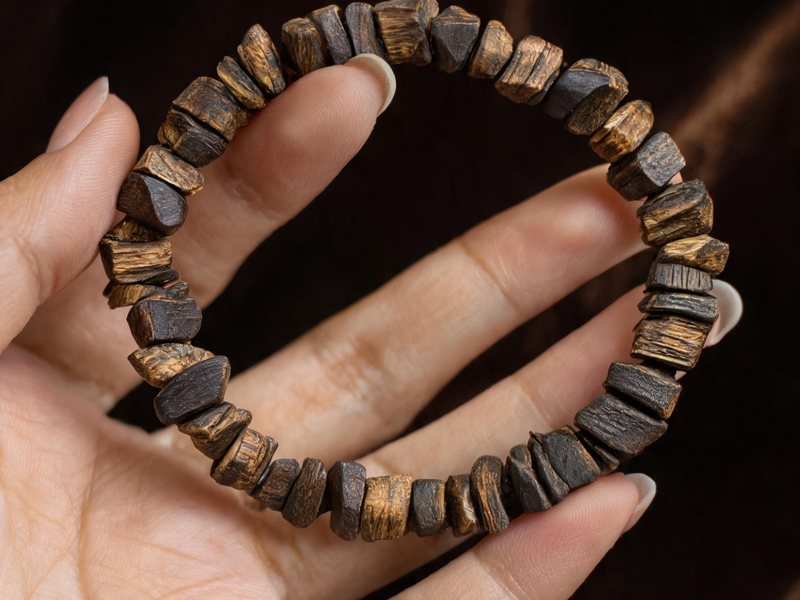
Agarwood bracelets / free-form
Free-form Suiyinzi, qinan barrel beads and other styles. No. 1 best-seller in our online store this month, with 7-day no-reason returns.
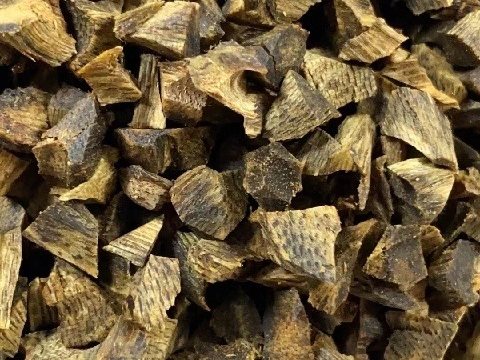
Qinan fragments / hooked strands
Qinan No. 1 fragments and non-sinking-grade hooked strands, suitable for incense aromatherapy, boiling water, and infusing liquor. Supplied by the box, starting from ten grams.
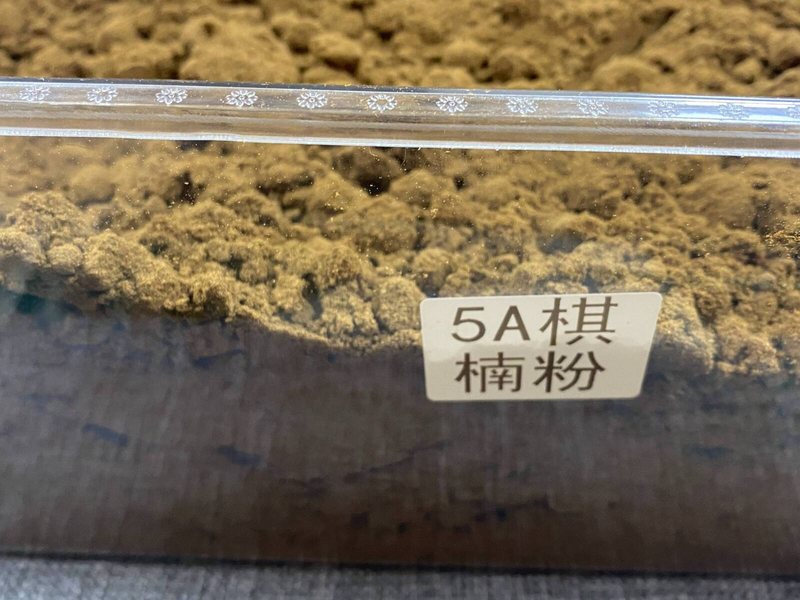
Qinan incense powder
Sinking-grade qinan powder and 5A-grade qinan powder, suitable for incense burning and incense seal (xiangzhuan). One box of ten grams.
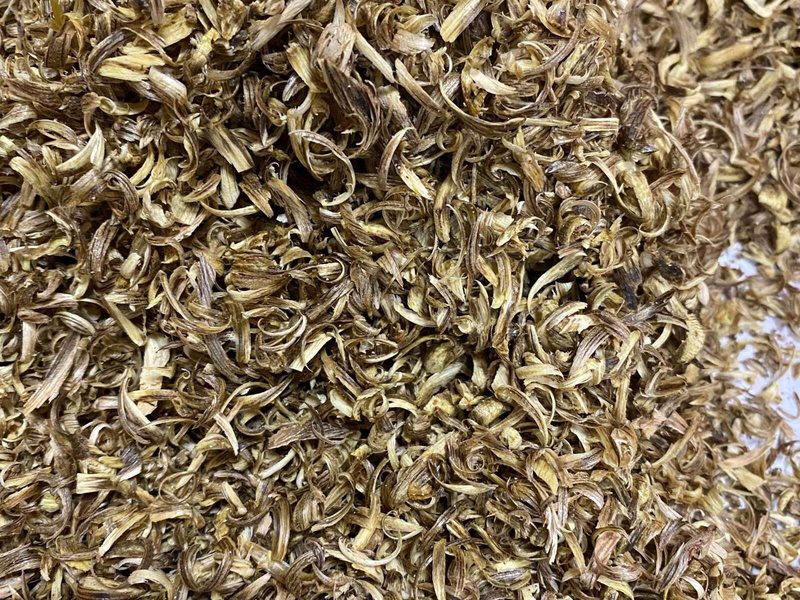
Qinan for boiling water / infusing liquor
Qinan hooked strands specially supplied for boiling water and infusing liquor scenarios, with a mellow aroma. Shipped by the box.
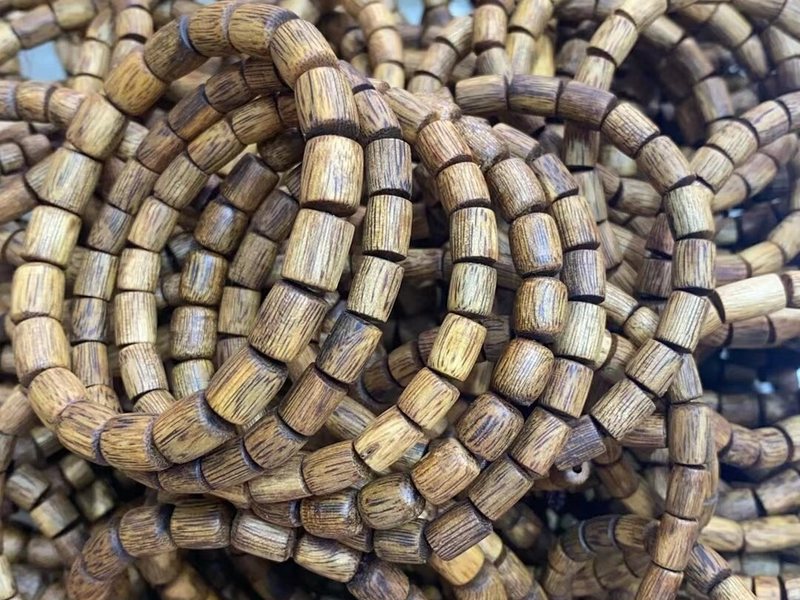
Bulk supply (merchants)
Bulk supply of barrel bead bracelets and more, suitable for incense shops, clubs, and e-commerce channels. Wholesale after sampling and inspection.
Has helped151incense enthusiasts avoid pitfalls
Free public-welfare agarwood authentication
Not sure about the “agarwood” in your hands? We help you judge authenticity at a public-welfare price of ¥9.9 and resolutely expose counterfeits.
Beyond selling incense, we also do these
In the incense business, selling products alone is not enough. Appraisal, buyback, and training are the services customers truly need.
Agarwood appraisal
Have material on hand but aren't sure about it? Bring it to the store and have a master examine it in person to determine origin, quality, and authenticity.
Agarwood buyback
Idle agarwood, or pieces you wish to sell, can be appraised and bought back, with a price backed by clear reasoning.
Incense ceremony training
Incense ceremony courses for enthusiasts and professionals, from identifying and appreciating incense to arranging incense gatherings.
Industry resources and professional endorsement
Agarwood is a resource-based industry. Bases, research, and association roles determine whether supply is stable and whether things can be explained clearly.
Agarwood Branch of the China National Forest Products Industry Association
Wubaiyi agarwood participates in the association's work. The association and Peking University jointly hold an advanced seminar for the agarwood industry, open to professionals; inquiries and participation are welcome.
The cultural self-awareness of a millennium-old shop
"Liu Family's Colored Agarwood and Sandalwood Selected Incense" is an incense shop recorded in Along the River During the Qingming Festival. We wrote "only sell incense with a clearly traceable origin" into our operating principles—this is basic respect for this signboard.
Nearly 10,000 mu of agarwood planting bases
Planting bases are established in Hainan, Guangdong, Yunnan, Fujian, Guangxi, Sichuan, and other regions, with Hainan and Guangdong as key qinan(kyara) planting industrial parks, rated as a "National Forest Geo-authentic Medicinal Materials Base."
"Wubaiyi Qinan(kyara) No. 1" superior variety
Cultivated through cloning and tissue culture technology, derived from a strain cultivated in Jianfengling, Hainan; a perennial single plant can yield up to 1000 grams.
Inheritance of intangible cultural heritage incense-making craftsmanship
"Liaobei Zhao Family Agarwood Series Traditional Craftsmanship" has Liu Zhiqiang as the representative of the fifth-generation inheritor, adhering to the hand-made incense craft.
Titles and Positions
Agarwood Branch of China National Forest Products Industry Association
Liu Zhiqiang serves as vice president, participating in industry coordination and standards development.
Hainan Agarwood Association
Liu Zhiqiang serves as vice president, promoting the coordinated development of cultivation and craftsmanship.
Zhongke Agarwood Standards and Technology Research Institute
Liu Zhiqiang serves as director, leading agarwood standards research and industry evaluation.
Planting Professional Committee of China Association of Traditional Chinese Medicine
Liu Zhiqiang serves as vice chairman, promoting standardized agarwood cultivation.
French International Agarwood Essential Oil Association
Liu Zhiqiang serves as vice president, connecting to the international fragrance and flavor market.
Intangible Cultural Heritage Inheritor
Fifth-generation inheritor of "Liaobei Zhao Family Agarwood Craftsmanship," representative of hand-made incense craftsmanship.
View media reports and brand honors → Watch live footage on Video Account →
Wubaiyi Agarwood Official Website · Mini Program Mall
Finished products, raw materials, and incense utensils are listed by gram weight and specifications; order within WeChat, with in-store pickup and express delivery available.

Coming soon
Browse everything online, experience the fragrance offline
The mall displays by category: agarwood bracelets and free-form pieces, qinan(kyara) fragments and incense powder, gou-si, joss-stick blended incense, and incense utensil gift boxes. Each item is labeled with gram weight, bead count, and whether it is sinking grade.
For those who want to handle and experience it in person, you are welcome to visit our store in Songzhuang, Beijing—Liu Family Color-Topped Agarwood & Sandalwood Select Incense Shop. Order from the mall, or choose in-store pickup.
An online hall of Chinese incense culture(香学)
From China's "books" to "poetry," from "Buddhism" to "herbs," to "novels" and "famous formulas," then to "sages," "agarwood," "blended incense," "incense utensils," "Xiang Cheng," and "global"; further subdivided into the way of appreciating incense, incense-making craft, spice illustrated guides, incense use in the three teachings, seasonal customs, incense anecdotes, literati life, and incense register literature—and with dedicated sections on Japanese kōdō (a branch of Chinese incense culture(香学) transmitted eastward, including schools such as Oie-ryū and Shino-ryū), incense and health cultivation, incense appreciation and authentication, and a general history of incense culture(香学), recompiling the incense culture(香学) classics, poems, figures, and techniques scattered across a thousand years into an online hall of incense culture(香学) that can be consulted at any time.
Incense culture(香学) classics
Xiang Pu, Chen's Xiang Pu, Xiang Cheng, Seven Essentials of Incense Burning, Zunsheng Bajian, Zhangwuzhi—understand how Chinese people discuss incense, make incense, and use incense.
Poems on incense
From Chu Ci to Nalan, lines about incense in poetry and prose across the ages; the Agarwood Pavilion, Boshan censer, golden lion censer, and ruinao—within a wisp of fragrance lie the nights and feelings of the Chinese people.
Incense culture(香学) sages
Ding Wei's Tianxiang Zhuan, Su Shi's Snow-Filled Spring Message, Huang Tingjian's Ten Virtues of Incense, Zhou Jiazhou's Xiang Cheng—linking the genealogy of the "Twenty-Four Saints" of Chinese incense culture(香学).
Agarwood Examination · First Among Incenses
Wounding induces resin, then natural aging; the Hainan, Hui'an, and Xingzhou production regions and the appraisal of "clear and pure as lotus and plum blossom"—understand the underlying character of agarwood.
Xiang Cheng Translation and Annotation · Complete Volume
The twenty-eight volumes of Xiang Cheng are recorded volume by volume with the original text, accompanied by vernacular translation and annotation, divided into four sections: incense items, incense matters, incense writings, and incense formulas—a ladder to reading the entire work.
The Way of Blended Incense
The compatibility of sovereign, minister, assistant, and envoy; the medical principle that incense and medicine share one source; the time-space philosophy of the Five Elements and incense—why a fine incense "does not fall into disorder."
A Record of Incense Vessels
The immortal mountains of the Han Boshan censer, the bronze resonance of the Ming Xuande censer, the timekeeping ingenuity of incense-seal stamped incense, as well as the incense etiquette of the "three implements of censer and vase" and indirect fire heating.
Incense in Buddhist Sutras
The youth Incense-Adornment attained enlightenment upon smelling sinking grade agarwood, Vimalakirti's Land of Multifragrance, incense offerings in the Lotus Sutra, and the precepts on applying incense in the Vinaya—the profound meaning of incense in sutra, vinaya, and abhidharma.
Incense in Novels
The "Essence of All Fragrances," Dream-Sweet Incense, and Cold Fragrance Pills in Dream of the Red Chamber; agarwood and ambergris in The Plum in the Golden Vase—novels portray the ways of the world entirely through incense.
The Way of Appreciating Incense
The Ten Virtues of Incense, indirect fire incense heating, seal incense, the ritual of the incense seat, and the four essentials and six matters of incense appreciation—a systematic explanation of how to appreciate a censer of fine incense.
Incense Making Craft
Refining honey to blend incense, incense pills and cakes, scenting and aging, making stick incense, and processing incense powder—the procedures of blended incense from powder to incense.
Illustrated Guide to Aromatic Materials
Agarwood, sandalwood, ambergris, and musk; frankincense, myrrh, costus, and benzoin—twelve commonly used aromatic materials each given a biography, the foundation for knowing and using incense.
Incense in the Three Teachings
Buddhism through nose contemplation, Daoism through fasting rites, Confucianism through ritual respect—incense finds its own use in Buddhism, Daoism, and Confucianism.
Incense and Seasonal Folk Customs
Sachets for the Dragon Boat Festival, dogwood for the Double Ninth, incense burned on New Year's morning, perfuming clothes and wearing sachets—incense in daily life throughout the year.
Allusions of Incense Lore
Xun Ling's lingering fragrance, Han Shou stealing incense, the Boshan censer, the Agarwood Pavilion, the Transmission of Heavenly Fragrance—the collective memory of incense among the Chinese people.
Incense and the Literati Life
Burning incense while playing the qin, using incense to enhance tea, incense and painting and calligraphy, incense in gardens—incense is the spiritual undercurrent of the four arts of the literati.
A Detailed Study of Incense Catalogue Literature
The Chen Family Incense Catalogue, the Hong Family Incense Catalogue, the Seven Essentials of Burning Incense, the Eight Discourses on Nurturing Life, and a comparison of the origins and development of major incense catalogues through the ages.
Japanese Kōdō · A Branch of the Chinese Tradition
Transmitted eastward from Tang China, it became a "Way" in Japan: schools such as the Oie-ryū and Shino-ryū, the game of kumikō, and the appreciation of agarwood by the "Six Countries and Five Flavors"—another branch blossoming from Chinese incense culture(香学).
Incense and Health Cultivation
Aromatherapy in traditional Chinese medicine, fragrance and modern life, calming the mind and aiding sleep, traditional epidemic-prevention incense formulas, and clearing the heart and relieving depression—nourishing body and mind through incense.
Appreciation and Appraisal of Incense
Agarwood appraisal, qinan(kyara) appraisal, advanced methods of incense appreciation, the agarwood market and collecting, authenticity of incense materials and purchasing—practical knowledge for buying and using incense.
A General History of Incense Culture(香学)
From the fragrant herbs of the Chu Ci and the Han-dynasty Boshan censers, to the four arts of the Song literati and the Ming-dynasty Xiang Cheng that synthesized it all, and on to today's revival—a history of the evolution of Chinese incense culture(香学).
- 2026 Agarwood Price Trends: Full-Year Outlook and Buying Timing
- A Complete Guide to Agarwood Bracelet Prices: From Entry-Level to Collector Tiers
- Why Is Qinan (Kyara) So Expensive: The Truth Behind Ten Thousand Gold per Gram
- How Agarwood Price per Gram Is Calculated: Resin Content, Producing Region, and Pricing Rules
- Agarwood Wholesale Sourcing Guide: Prices, Minimum Order Quantities, and Inspection Process
- What Is a Reasonable Price per Box for Agarwood Incense Sticks: Price and Quality Assessment
- Agarwood in the Xiang Cheng: How Zhou Jiazhou Recorded the Chief of All Incenses
- A Close Reading of Famous Incense-Appreciation Sayings in Classical Texts
- How to Read the Incense Formulas in the Xiang Cheng: Volume Structure and Search Methods
- A Survey of 'Longxian' (Ambergris) Records in Ancient Texts
- 'Qinan' in Ancient Texts: From the Xiang Cheng to Successive Dynastic Gazetteers
- Our Translation and Annotation Principles: Variant Readings, Collation Notes, and Honest Labeling
The Incense Picker: A Signboard That Walked Out of Along the River During the Qingming Festival
A serialized novel from Wubaiyi Agarwood. A signboard that walked out of Along the River During the Qingming Festival, a shop that has been guarded for a thousand years. Five pieces of agarwood scattered across the world—if they were ever gathered together, what would arise? A capital-city incense shopkeeper must find them before his rivals—but the half-sentence left by his ancestors was wrong from the very beginning. One section updated daily.
The One Who Opened the Shop
A living signboard, an old man who has worn prayer beads for fifty-eight years, an eighteen-bead string missing one bead—the young man of the Liu family shop must first calculate the full price on someone else's behalf.
Thirty Seconds to Appraise
In front of the pawnshop's glass cabinet, he quotes a figure far above the price the old master had pressed down to. Once he signs, every character of this bead string rests on his shoulders.
One Section Daily
From the incense shop in Along the River During the Qingming Festival to the pawnshops and warehouses of contemporary Beijing—a wisp of incense links a thousand years, and also links a family's secret of keeping to its duty rather than keeping to gatherings.
Agarwood Research: Turning Papers into Plain Language
Wubaiyi Agarwood Research Channel. From the chemical composition and aroma compounds of agarwood to research literature on sleep, mood, inflammation, tumors and other directions, we sort through one paper each day—literature indexing only, and not constituting any medical, health or therapeutic advice. All agarwood comes from cultivated sources and is compliantly sourced.
Agarwood and Sleep: What Research Is Focusing On
Recent research has focused on the mechanisms linking agarwood aroma to sleep quality, related active compounds, and the limits of experimental design—an objective literature index.
Agarwood and Pain: What Research Is Focusing On
From animal experiments to molecular pathways, how research describes the analgesia-related activity of agarwood extracts, and which conclusions remain confined to the in vitro stage.
Agarwood and Tumor Research: What Research Is Focusing On
A review of research reports on the terpenoid and chromone compounds of agarwood in cell and animal models, as well as the generally cautious wording of conclusions in the literature.
Incense in Fiction Writes of Human Affairs
Fiction writes about people and worldly affairs, and incense is often the most intimate prop: it is the grandeur of the Jia household, the extravagance of Ximen Qing's home, and also a wisp of feeling beneath a solitary lamp. We have compiled the incense mentioned in several classical novels one by one.
Qunfang Sui · Mengtian Xiang · Lengxiang Wan
The Qunfang Sui of the Taixu Illusory Realm, the Mengtian Xiang used for timing at the Haitang Society, and Baochai's Lengxiang Wan—Cao Xueqin uses incense to write the fate of characters and the atmosphere of the family.
Agarwood · Ambergris · Silver-Weighted Burner
The agarwood, ambergris and silver-weighted burners of Ming dynasty urban life reflect how, during the peak of the spice trade, incense had already entered daily consumption, and can be cross-verified with records in the Xiang Cheng.
Incense in Tales of the Strange and Historical Romances
The incense jade flower spirit in Liaozhai, Buddhist offerings in Romance of the Three Kingdoms and Journey to the West, and incense in the bedchamber—clues of incense matters in tales of the strange and historical romances.
Understand incense first, then buy it
We make public the common knowledge of authentication and selection. After reading, you'll at least be able to judge whether an incense shop is reliable.
How to tell real agarwood from fake?
Look at the direction of oil lines, smell the layers of aroma, compare by weight, and test burning behavior—four steps that rule out most counterfeits.
What's the difference between sinking grade and floating grade?
The core is the density difference determined by oil content, which directly corresponds to the price gradient. Understand this and you won't be led astray by sales talk.
How to choose incense sticks without pitfalls?
Check the raw material ratio, smell the irritation of the smoke, and look at the state of the ash—avoid products blended with chemical fragrances.
Visit the shop to see the incense, or give us a call first
Songzhuang Art District, Beijing—"Wubaiyi Agarwood Official Website · Liu Family Colored Agarwood and Sandalwood Selection Incense Shop." Incense friends are welcome to visit the shop to try and appraise incense; merchants and agents can discuss cooperation plans by phone.
Contact us to visit / Inquire about cooperationAdd WeChat to get the "Agarwood Authentication Handbook" for free
12 years of incense-selection experience compiled into a booklet: look at oil lines, smell the aroma charm, test sinking grade, and identify producing regions—4 steps to judge real agarwood from fake yourself, so even beginners can avoid pitfalls. Sent as soon as you message on WeChat, free forever.
- Real photos comparing real and fake
- Key points for buying sinking grade
- List of common counterfeiting methods
Add a note "Appraisal Handbook" when adding, and the shopkeeper will send it to you personally
Or book a visit to appraise incense in person →