Why Wubaiyi Agarwood Values "Recording"
Wubaiyi Agarwood's curator Liu Zhiqiang opened "Liu Family Colored Agarwood and Sandalwood Selection Incense Shop" in Songzhuang, Beijing, and incense friends gatherings are the connection events he values most. He believes half the value of an incense gathering lies in the moment itself, and half in whether it can be recalled afterward. The sample incense wall, experience table, and the corner around the stove at the Songzhuang store are all naturally good backdrops—taking photos is not just for posting on Moments, but for leaving a future version of yourself evidence of "what we smelled that day." Many customers, flipping back to photos from a gathering half a year ago, can immediately recall the scent of a particular incense; this continuity of memory is exactly what is most fascinating about incense matters, and something gatherings elsewhere rarely offer.
What to Shoot Matters More Than How to Shoot
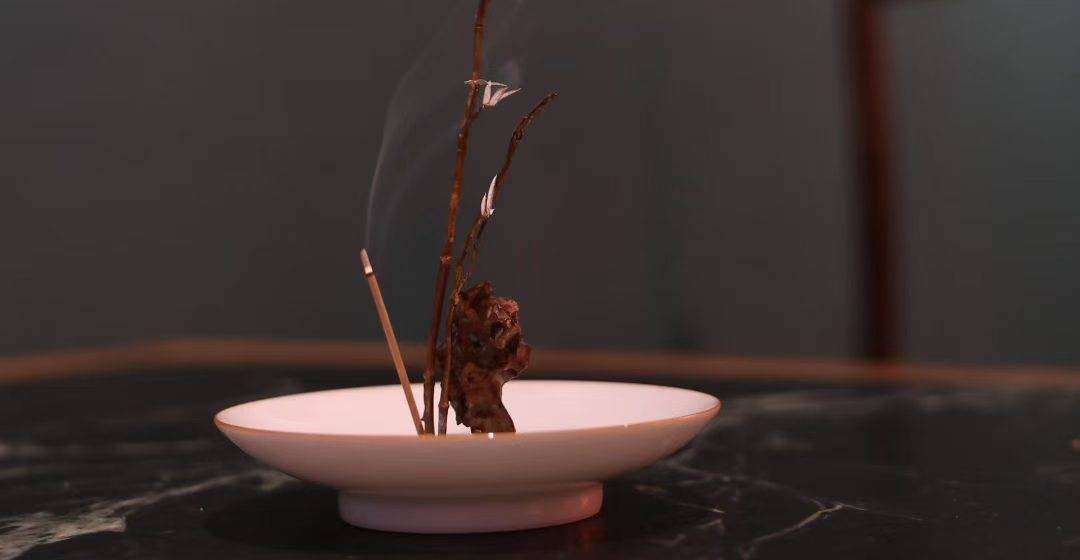
Don't just shoot people—shoot the "incense" itself more: the arrangement of the sample incense wall, the shopkeeper's hands pressing the incense seal, the smoke just rising from a burner, the moment everyone closes their eyes to smell. Wubaiyi Agarwood's shopkeeper often reminds that photos should be able to "reverse-engineer the scent"—looking at the image should bring back the Hainan sweetness or Brunei creamy note you smelled that day. Close-ups of objects (incense burners, incense seals, incense plaques) are also worth shooting; they are the aesthetic coordinates you gradually grow. Shoot fewer posed shots and more of the process—only then will they feel warm when you look back later. A candid shot of "a friend's eyes lighting up when smelling a certain incense" is more enduring than ten neatly arranged group photos, because it captures a real reaction rather than a posed posture.
Beyond the Photo, Add a Line of Text
Pair each image with a sentence about how you felt at the moment: "Today's Vietnamese material is the coolest," "The Brunei one smells like milk." Wubaiyi Agarwood calls this combination of image and text the "visual version of scent notes"—easier to remember than text alone, and more informative than photos alone. Spend five minutes organizing it the night of the event, post it in the incense friends group or save it to an album; half a year later, looking back, you'll be surprised by your own progress. The text doesn't need to be polished; colloquial is fine. The key is "record on the spot"—many customers after the event only remember "they all smelled good," and the specific differences all drift away. With that line of text, the memory gets pinned down and no longer drifts away.
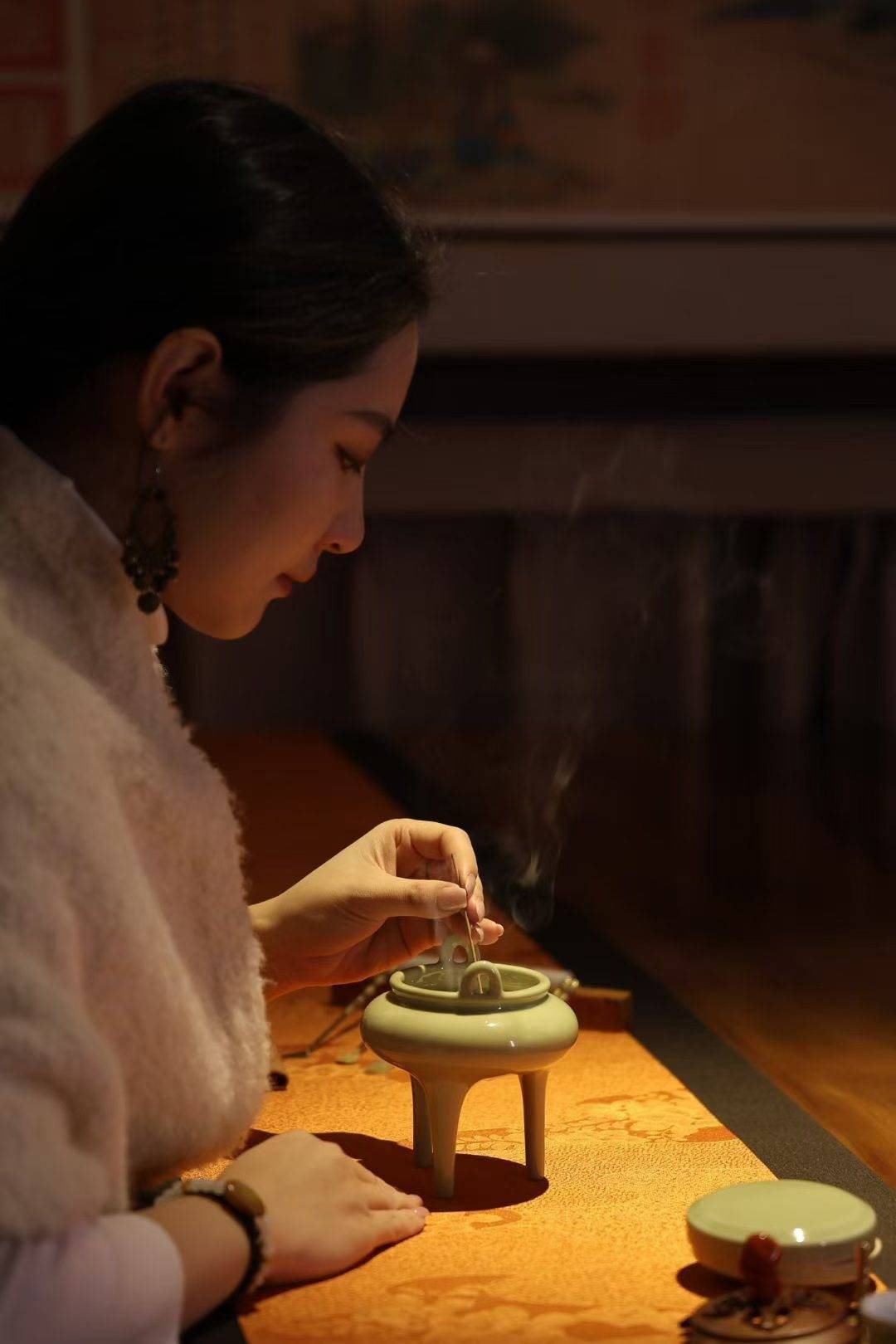
Photos are a retreat route for the nose—one day when you forget that wisp of scent, looking at the images can fish the memory back.
Core Facts at a Glance
- Value of recording: half of an incense gathering lies in the moment, half in whether it can be recalled afterward; photos and notes help memory continue.
- What to shoot: shoot the incense itself more (sample incense wall, pressing the incense seal, rising smoke, the moment of smelling) and close-ups of objects.
- Pairing text: pair each image with a sentence about how you felt at the moment, forming a "visual version of scent notes."
- When to organize: organize five minutes the night of the event, when memory is strongest.
How to Choose Recording Tools
Recording need not be complicated. Wubaiyi Agarwood's advice is "light tools, heavy on the spot": create a dedicated album for incense friends gatherings in your phone's photo gallery and add text notes; for something more systematic, open a document and archive photos and that line of feeling by date. Some people use a small paper notebook to hand-draw incense burners and scent curves, which feels warmer. Tools are the means; recording on the spot is the goal—many people after the event only remember "they all smelled good," and the specific differences all drift away; with the images and text saved by tools, the memory gets pinned down. Choose whichever is most convenient for you; the key is to record every time—if you stop for a while and try to catch up later, you can't reconnect, and continuity is the most valuable part of recording. Whichever you choose, remember to review regularly—flipping back to old images half a year later, you'll clearly see the trajectory of your nose's improvement, which is more intuitive than any note-taking software and will make it easier to keep recording, stringing one incense friends gathering after another into a visible line of growth.
Turn Recording into Nourishment for the Community
The organized photos and that line of text, posted in the incense friends group, are the lead-in for the next gathering: "That Brunei one last time—shall we blind-smell it again this time?" Wubaiyi Agarwood provides sample incense, venue, and incense tasting classes as backing; you are responsible for capturing the scene and holding the atmosphere. Recording is not a task; it is the way to let an incense friends gathering "live" past its end—it lets the offline smoke keep drifting online. When you start shooting and recording seriously, you'll find that an incense friends gathering is no longer a passing gust, but a scent archive you can replay at any time. So next time you go to the Songzhuang store, don't just use your phone to shoot people—save a few images for your nose that can reverse-engineer the scent, and truly take that burner of smoke home with you.
Related Reading
Appraisal and Recycling
If you can't judge on site, book a separate ¥9.9 public-benefit appraisal
Book a Store Visit
Book an incense friends gathering and experience the atmosphere first
Production Regions and Identification Guide
Before you come, browse the产区 articles; it's more rewarding to smell while comparing.