What Wubaiyi agarwood's incense culture(香学) classes teach
Wubaiyi agarwood's owner Liu Zhiqiang treats the "Liu Family Colored Agarwood and Sandalwood Incense Shop" in Songzhuang, Beijing as an open incense school. The incense culture(香学) class starts with getting to know the tools, with two main threads running in parallel: indirect charcoal heating and seal-burning. The shopkeeper first has you try each once, then helps you judge which suits your touch better. In class you learn movements and standards, but what truly grows is a heart willing to slow down—the tools simply let it settle into movement. Many students leave not with "I can do it," but with "I want to try again," which is precisely the best starting point for practicing at home, more important than any certificate.
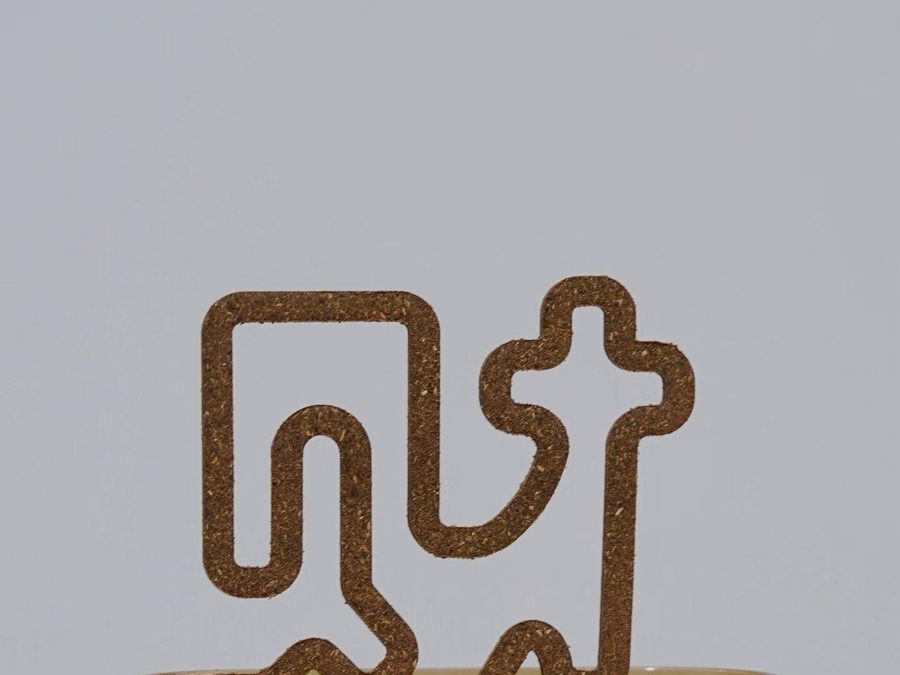
How to practice at home without falling idle
Don't go for a complete ritual right away. Wubaiyi agarwood suggests starting with "once a week, a quarter hour each time": even if you only prepare one indirect charcoal heating, get the three steps of charcoal temperature, burying ash, and placing incense smooth, and the touch is retained. For seal-burning, you can skip lighting at first and just practice the cleanliness of filling powder and raising the seal. Lower the practice threshold to "do it when it's handy," and it's less likely to fall idle. Many people fall idle because they insist on having everything complete before starting, so they never start. Begin with the smallest action and let your body remember that rhythm—far more useful than an occasional grand session, and easier to keep up as a habit.
Catch progress with notes
After each practice, write three lines: how the charcoal temperature was today, how loose or tight the ash was, how many layers of fragrance emerged. Wubaiyi agarwood's shopkeeper calls this the "incense culture(香学) notebook"; it helps you see clearly whether you're stuck at burying ash or at placing incense. Flip back to the first page half a year later, and you'll clearly see how you went from flustered to flowing. The notes don't need to be neat—a phone memo works; the key is "write every time." When progress is written down, practicing incense is no longer by feel but a visible curve, and you'll be more motivated to continue, not giving up because you can't see growth.
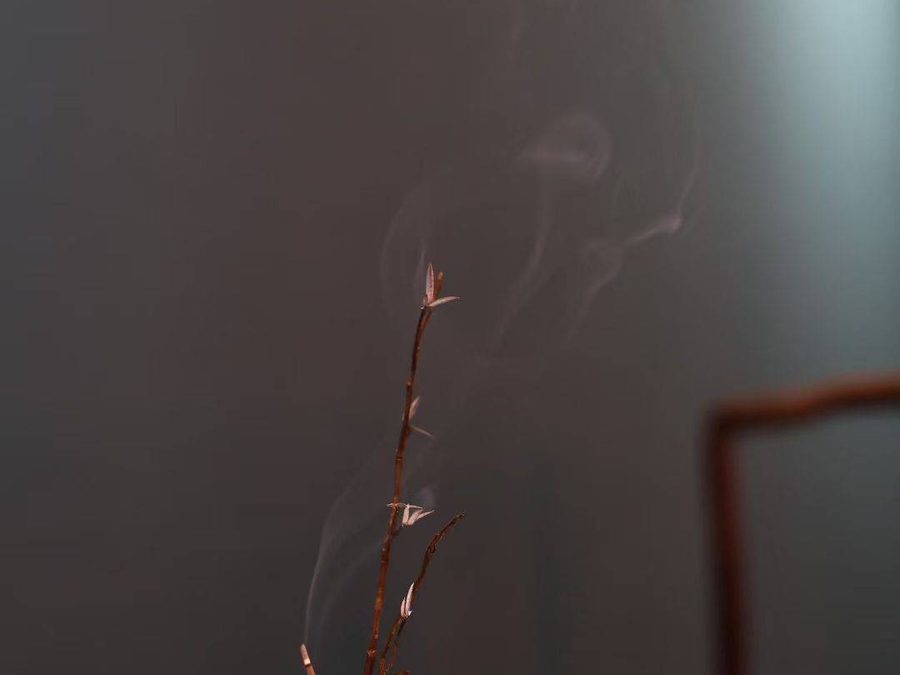
Incense culture(香学) isn't about learning one movement; it's about cultivating a stretch of time you're willing to slow down for.
Core facts at a glance
- Course threads: indirect charcoal heating (charcoal buried in ash, mica separating the fire, fragrance released by residual heat) and seal-burning (pressing powder into a pattern, burning along the lines).
- Practice rhythm: once a week, a quarter hour each time, starting from the smallest action to lower the rate of falling idle.
- Progress method: write three lines of notes each time (charcoal temperature, ash looseness, fragrance layers) to see clearly where you're stuck.
- No experience needed: the course starts from tools and basic movements, and tools are provided by the store.
What to do when you're stuck
Getting stuck practicing incense is perfectly normal. If the charcoal temperature is always off, go back to "only preparing charcoal, not placing incense" for three days; if the seal always breaks, switch to a softer incense paste and slow down the powder filling. Wubaiyi agarwood's shopkeeper often reminds that the sticking point itself is a progress bar—if you're stuck at burying ash, it means the next step is to focus on fluffiness. Don't compare speed with classmates; incense culture(香学) compares you with your past self. If you're truly stuck, go back to the Songzhuang store for a catch-up class and let the shopkeeper watch your hands in person—it saves three times the time of practicing alone in silence. Allow yourself to be slow, and only then can you slow down and truly practice; this itself is the first lesson incense culture(香学) teaches, more important than any fancy movement. Write the sticking point in your notes, and next time a similar problem arises, one page flip gives the answer; practicing incense then goes from blind practice to charted progress, and you'll grow more confident practicing quietly alone, no longer relying on the push from class.
Turn practice into life's blank space
After incense culture(香学) class, the biggest fear is treating incense as a "task." Wubaiyi agarwood wants you to treat that quarter hour as blank space for yourself—not seeking professionalism, just that undisturbed time truly belonging to you. Many people later put incense practice alongside reading and tea, making it a daily closing ritual. This article discusses the lifestyle of incense culture(香学) practice and makes no efficacy or medical claims, nor does it imply agarwood has any effect on improving the body or health; practicing incense is for that stretch of quiet focus, not for any promised benefit. When you no longer fuss over "whether I practice well" and simply enjoy "I am practicing," incense culture(香学) truly moves into life, and going home no longer falls idle—because it is part of life, not a class with homework to hand in, but a stretch of quiet you actively reserve for yourself that no one can take away.