How Wubaiyi Agarwood Views the "First Collection"
Wubaiyi Agarwood owner Liu Zhiqiang has been running "Liu Family Colored Agarwood & Sandalwood Selection Incense Shop" in Songzhuang for years, and increasingly feels the starting point of collecting should be low: one piece of material you genuinely like, with a clear provenance and complete records, is enough to serve as the first seed. He often advises newcomers not to chase "the most expensive and best" right away, but to establish understanding first, so money is spent where it counts. Behind many old collectors, their children hastily disperse a cabinet of material, and the root cause is that the story was never told to the next generation; conversely, those who start recording from one small piece grow a cabinet of stories decades later. The first collection is not the endpoint, but the beginning of your long relationship with agarwood—don't rush it, and don't make it expensive.
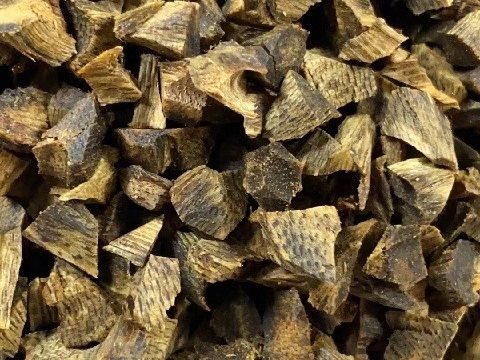
Choosing "Right" Matters More Than Choosing "Expensive"
For a beginner's first collection, it is recommended to prioritize "clear provenance, a scent you recognize, and records you can supplement." The sample scent wall at Wubaiyi Agarwood is prepared for exactly this: you smell it, remember it, then buy the same type with confidence. Don't be led by words like "rare产区" or "master-crafted"; if you can't verify these words yourself, set them aside for now. First get familiar with basic产区 (such as Kalimantan's mellow richness and Hui'an's cool sweetness), then talk about advancing. If your first collection is the one you can recognize even with your eyes closed, the confidence it gives you is more real than any certificate—because it comes from your own nose, and no one can take that away.
Start with Raw Material or Finished Product
Raw material wins in "transparency": oil lines, resin formation, and weight are all laid out before your eyes, suitable for newcomers who want to learn identification; finished products (bracelets, carvings) win in "usability," with a presence in daily wear and play. Wubaiyi Agarwood suggests choosing a small piece of raw material for the first collection, as it trains the eye and is not hard to resell. Wait until your understanding grows, then touch finished products—no rush. Some also want something wearable for their first piece, so choose the plainest style among bracelets, with less carving and more oil lines; the simpler, the more enduring. The two paths don't conflict; the key is that what you buy must be something you have smelled and liked yourself, not what others say you "should buy."
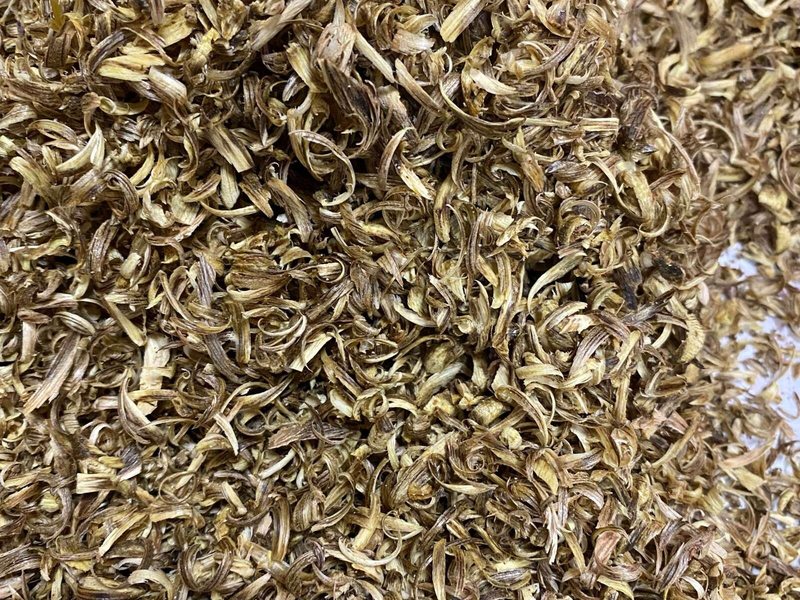
The first lesson in collecting is not to pick the expensive one, but to pick the one you recognize, can keep, and can tell others about.
Core Facts at a Glance
- Starting principle: buy right first, then buy expensive; start your first piece with a small material you like, with clear provenance and that can be recorded.
- Priority understanding: first get familiar with the scents of basic产区, then discuss advancement and rarity.
- Raw material vs finished product: raw material trains the eye and is easy to verify; finished products are for daily use and have presence; newcomers can start with raw material.
- Long-term perspective: support collecting with collecting, emphasizing accumulation of understanding rather than short-term valuation.
How to Continue After the First Collection
Once the first piece is in hand, collecting has only just begun. Wubaiyi Agarwood suggests slowly continuing with the idea of "supporting collecting with collecting": first thoroughly understand the scent and provenance of the piece in hand, so when you add the next piece you have a reference and won't scatter purchases in all directions. If the budget is tight, save up for small materials first; if the budget is loose, then touch finished products—you set the pace. Add a card with each new piece, and years later when you look back, it's a cabinet of stories that corroborate each other. The joy of collecting is not in "how much you own," but in "the more you collect, the more you understand"—when your nose speaks before the price tag, that first collection has already completed its mission, teaching you to be a steadier collector. Don't rush to accumulate quantity; first thoroughly enjoy the first piece. The foundation it gives you is thicker than ten carelessly acquired pieces, and it makes each future addition clearer and less prone to pitfalls.
Create an Archive for Your First Collection
Immediately after acquisition, create a small card:产区 tendency, resin formation type, oil line characteristics, the scent you smelled at the time, and the purchase process. Wubaiyi Agarwood encourages customers to record the identification process in the archive; over time, this stack of cards becomes a private agarwood chronicle. When you want to add a second or third piece, flipping back to the first card will clearly show how you have come along. The more specific the archive, the warmer the collection, and the less likely it is to be misread when reselling. Buying a piece today and writing a card is the first step in collecting; adding another piece tomorrow continues the memory. The continuity of collecting never relies on a one-time handover, but on tiny, earnest records and sharing again and again, turning a piece of material into a story that can be told onward.