The Thread of Incense from Ritual Vessels to Desks
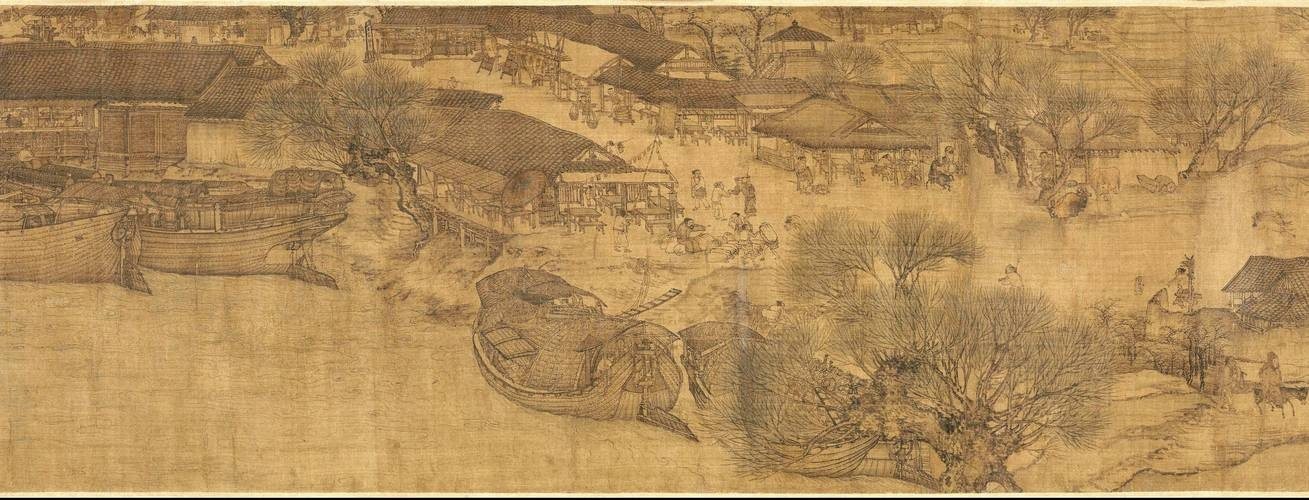
The name of Wubaiyi agarwood's 'Liu Family Tinted Agarwood and Sandalwood Select Incense Shop' originates from the old incense and medicine shop in Along the River During the Qingming Festival; this thread of incense culture has long echoed in ancient texts. Incense was first used for ritual vessels, then gradually entered scholars' desks and daily life. From the Tang and Song dynasties onward, preparing a burner before reading became a ritual of drawing a boundary against the clamor. When the ancients wrote about incense in incense manuals, what they wrote was not the ingredients, but the quiet and solemnity of that moment. This wisdom of 'using incense to enter a state' still works today on the experience table at the Songzhuang store—once a burner is lit, the noise outside is shut out. From ritual vessels to desks, incense completed a descent from the sacred to the everyday, and ancient incense manuals are precisely the recorders of this descent, freezing that wisp of smoke into sentences that can be read aloud.
Agarwood Formulas in Xiang Cheng
Zhou Jiazhou's Xiang Cheng from the Ming dynasty is a monumental work of incense culture that gathers the great achievements of the field, containing a large number of incense formulas. Agarwood often appears in entries such as 'agarwood pills' and 'agarwood powder,' mostly in combination with other aromatic medicines, with attention to the hierarchy of sovereign, minister, assistant, and envoy. The ancients did not treat agarwood as a material that fights alone, but placed it into formulas to adjust its nature and draw out its charm. Wubaiyi agarwood often uses such ancient texts as an opening at incense gatherings, because words, like scent, value blank space and aftertaste. When reading an incense formula, do not just stare at 'what was used'; think about that smoke written into the book—it has always been there, waiting for you to sit down and slowly smell it. The ancients' attention to incense formulas was essentially an attention to 'measure,' and this sense of measure is still usable in incense blending today, and is most easily overlooked by modern people eager for quick results.
The Attitude Toward Life in Incense Manuals
Ancient incense manuals are not just collections of recipes, but also a mirror of an attitude toward life: they record how the ancients left a moment for scent amid busyness, and how they shared a burner with like-minded friends. When we hold incense gatherings and offer experience classes today, we are in fact continuing the same tradition of inviting incense back into life. Wubaiyi agarwood treats the Songzhuang store as the contemporary landing point of this tradition—the burner you come to lights the same kind of slowness as that shop in the painting nine hundred years ago. A set of incense formulas passed down through generations passes down taste and also friendship, longer lasting than any social pleasantry. Agarwood in incense manuals is never the protagonist; it is only that bit of background smoke, holding up the whole mood and the whole period of time together, giving even the most ordinary days a touch of solemnity.
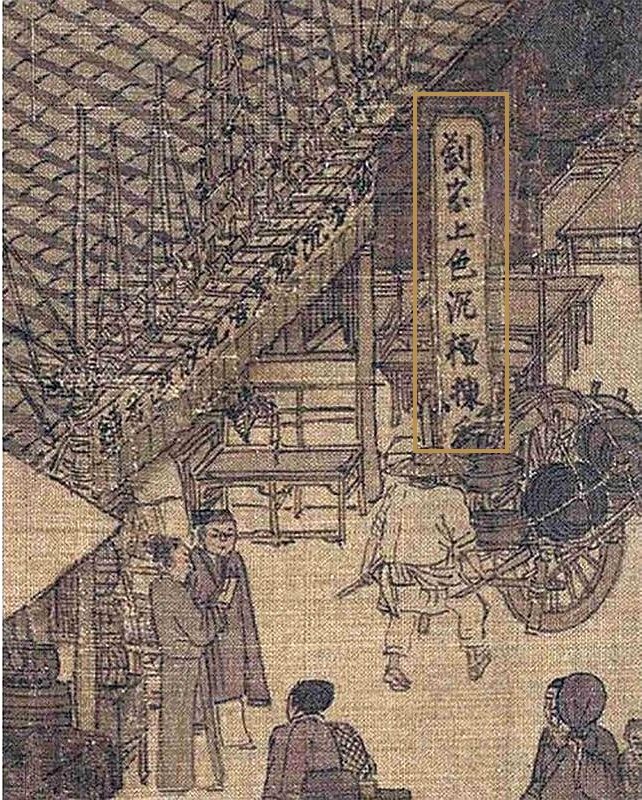
What ancient incense manuals record is not just formulas, but how the ancients kept for themselves a burner of composure amid the clamor.
Core Facts at a Glance
- Origin of the incense thread: from ritual vessels into desks and daily life; by the Tang and Song dynasties it had become a study practice.
- Representative text: Zhou Jiazhou's Xiang Cheng from the Ming dynasty gathers the great achievements of incense formulas; agarwood mostly appears in compound formulas.
- Formulation approach: agarwood and other aromatic medicines are blended according to the hierarchy of sovereign, minister, assistant, and envoy, with attention to measure.
- Contemporary echo: Wubaiyi agarwood continues the tradition of 'inviting incense back into life' through its physical store in Songzhuang.
How to Read Incense Manuals Without Getting Sleepy
The language of ancient incense manuals is archaic and hard to read, so forcing your way through easily makes you sleepy. Wubaiyi agarwood's suggestion is to 'read with your nose': when you turn to a certain agarwood formula, first go to the Songzhuang store and smell a corresponding natural agarwood, then return to the text, and the sentences come alive. Match the 'agarwood powder' and 'Hainan agarwood' in the book with the scent before you, and ancient texts are no longer dead knowledge but a touchable map of fragrance. You can also start with easy-to-read chapters such as 'Matters of Incense' and 'Implements of Incense'; there is no need to plow through from the beginning. Reading manuals and smelling incense are two sides of the same thing; alternate between them, and the ancients' slowness gradually seeps into your daily life. It is also much more interesting than rote memorization, easier to remember, and the next time you smell the same kind of incense you will understand it on another level.
Today's Echo
There is no need to revive the past; you only need to leave a moment for scent amid busyness. The experience table kept at the Songzhuang store is a small world where modern people can sit down, burn incense, and read a few passages of ancient incense manuals. Many people say after visiting once that slowing down turns out to be so comfortable. Wubaiyi agarwood does not advocate that everyone burn incense; it only advocates that everyone should have a corner where they can quiet down. Put down your phone for an hour, read a few pages of Xiang Cheng, and smell a burner of agarwood; this small happiness is more substantial than scrolling through screens, and better reminds people of who they originally wanted to become. That wisp of smoke in ancient incense manuals, passing through a thousand years, lands on today's experience table in Songzhuang, still the same wisp of quiet. Next time you read the word 'agarwood,' do not just think of a spice; think of that smoke written into the book—it has always been there, waiting for you to sit down and slowly smell it, catching along with it the ancients' composure.
Related Reading
About Wubaiyi Agarwood
Learn about the brand and the cultural philosophy of the Songzhuang physical store
Introduction to Producing Regions and Identification
From Culture Back to the Scent Itself
Book a Store Visit
Come sit by a brazier at the Songzhuang shop and experience the slowness recorded in ancient incense manuals.