'Online shopping risks' as seen by Wubaiyi Agarwood
Wubaiyi Agarwood is an agarwood brand with its experience center at a physical store in Songzhuang, Beijing. Its shop name "Liu Family Scented Agarwood, Sandalwood & Select Incense Shop" originates from the old incense-and-medicine shop depicted in "Along the River During the Qingming Festival." Principal Liu Zhiqiang often reminds newcomers: online photos get beautified and copy gets inflated, and what's hardest to judge through a screen is "scent" and "provenance." That is also why he insists on the ¥9.9 public-welfare appraisal — to give newcomers a low-cost chance to lay the physical item out and compare it against sample incense. Many customers feel uneasy after buying online; rather than repeatedly asking the seller "is it real?", it's better to bring the material to the Songzhuang store and let the shopkeeper help you sort out the likely region and the type of resin formation using sample incense from multiple regions — with conclusions you can see for yourself.
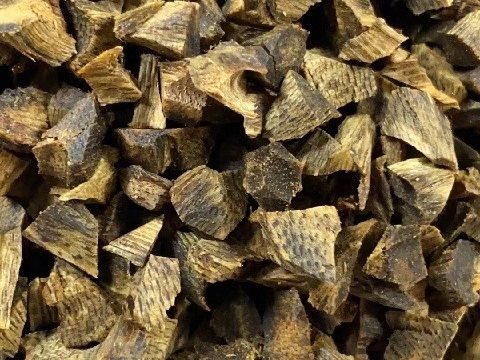
Gather your information before visiting the store
Wubaiyi Agarwood's public-welfare appraisal is not about "declaring real or fake in one sentence" — it is a comparative walkthrough. The more complete what you bring, the more solid the judgment: bring purchase records, chat screenshots, and product page descriptions, so the shopkeeper doesn't have to start from zero and can spot faster "where the description differs from the physical item." Don't bring only the material without context — many mishaps stem precisely from "what the seller said not matching the item." With the evidence chain complete, the appraisal conclusion has a basis; whether you keep it or return it afterward, you'll be more at ease and won't be led along by an ambiguous sentence.
What to look at on site
The shopkeeper will first examine the pattern of the oil lines, smell the layers of scent, and feel the weight, then combine it with sample incense to give you a cognitive framework — rather than blurting out a vague "real or fake." You sit by the experience table and watch the whole process of how the conclusion is reached, and pick up the method along the way. Wubaiyi Agarwood treats the appraisal as a mini seminar: what you take away is not just a conclusion, but a set of judgment methods you can use yourself later. One customer put it well: I only came for peace of mind, but I left with an eye that can read oil lines — far more valuable than a "it's real," because afterward he no longer panics when buying any material.
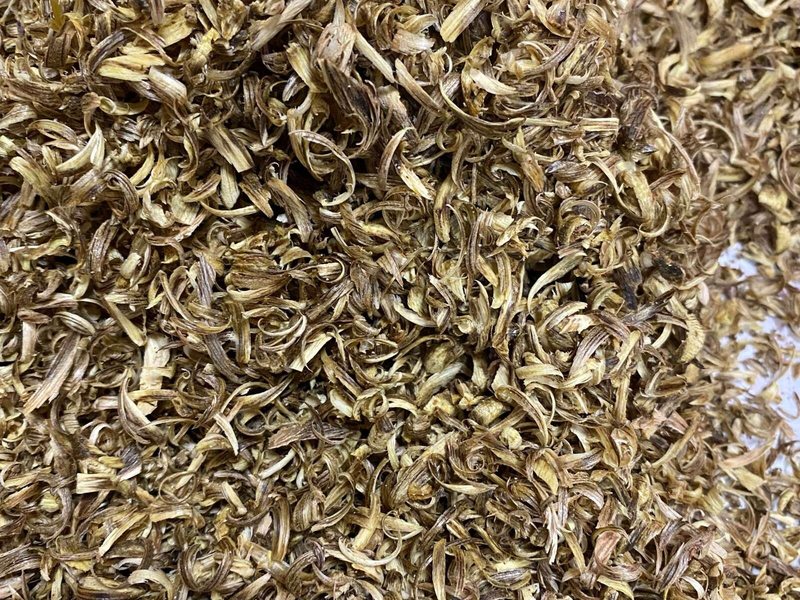
The value of appraisal lies not in that one conclusion, but in whether you dare afterward to look, smell, and judge for yourself.
Key facts at a glance
- Public-welfare pricing: ¥9.9, positioned as an entry-level awareness service, not a formal valuation.
- Preparation for visiting: bring the material + purchase records/chat screenshots/product page descriptions; the more complete the information, the more solid the judgment.
- Service content: using sample incense to clarify the likely region and the type of resin formation, providing a cognitive framework.
- Physical store: Songzhuang International Art District, Beijing; visits by appointment.
Three things to check before buying online
Before placing an order, Wubaiyi Agarwood suggests checking three things: first, whether the product page clearly states the sub-region and type of resin formation — those writing only the word "agarwood" deserve the most caution; second, whether there are verifiable detail photos of the actual item rather than copied web images; third, return/exchange and appraisal commitments — sellers who dare let you take it to a third party to clarify provenance are more reliable. With these three in place, the chance of things going wrong drops sharply. Of course, if you still feel uneasy once it arrives, bring the material and purchase records to the Songzhuang store and use the ¥9.9 public-welfare appraisal for a comparison — only then does that weight truly lift, and you buy with peace of mind instead of scrolling through chat logs at night trying to verify authenticity. Treat these three as a pre-order checklist; once it becomes a habit, your eye for selecting material will outpace the price tag, you'll be less easily led astray by livestream sales talk, and you'll have more confidence in both buying and returning. Those thirty extra seconds of checking often save you the several-hundred-yuan mistakes later — worthwhile by any measure, and more worthy of the thought and time you put into that piece.
Where to go after the appraisal
Once the provenance is clear, the direction is clear too — whether to keep it for continued handling, to deepen your understanding against sample incense, or to decide on a return or exchange. What Wubaiyi Agarwood cares about more is whether the person is willing to keep smelling and keep asking afterward. Many customers come the first time with just one piece bought online, and by their third visit can already help newcomers distinguish regions — this snowballing growth is exactly what the public-welfare appraisal aims to cultivate. It doesn't pursue one-time conversion; it pursues keeping people on the right track of understanding. So don't panic about online purchases — bring the material and the evidence first, and leave the rest to the sample incense and the shopkeeper at the Songzhuang store; what you take away is a clearer version of yourself, and a pair of eyes no one can fool afterward.