How Wubaiyi Agarwood Teaches These Two Approaches
Liu Zhiqiang, owner of Wubaiyi Agarwood, runs "Liu Family's Colored Agarwood & Sandalwood Selection Shop" in Songzhuang and has long wanted to extend incense from the counter into daily life. The incense culture(香学) class starts with getting to know the tools and materials, and "natural agarwood" and "blended incense" are the first pair of concepts clarified in class. The shopkeeper first has you smell each one: on one side the purity of a single agarwood raw material, on the other the layers blended from multiple incense powders, then helps you judge which suits your taste better. Understand the temperament of the two approaches first, then choose—your eyes will be sharper, and you won't be led astray by flashy gimmicks. Many students only realize after practicing that the refinement isn't in the approach, but in whether you truly quieted down in that moment—tools and formulas are just the entry point.

Natural Agarwood: One Incense, One Flavor
Natural agarwood means directly using agarwood raw materials (chips, powder, fragments) for burning or wearing, without mixing in other incense herbs; its strength is "purity"—what you smell is the original scent of that patch of mountain forest, with the oil lines, resin formation, and producing region all laid out before you. The sample incense wall at Wubaiyi Agarwood is a showroom of natural agarwood, each piece labeled with its major region and small batch, making it easy to build your scent coordinates. The joy of natural agarwood lies in "recognizing": recognizing the region, the oil lines, that wisp of charm belonging only to it. It doesn't win by blending, but by the honest truth of the raw material itself. Those who like "clean, verifiable" things mostly fall for natural agarwood first, because everything about it you can see, smell, and ask about—the autonomy is entirely in your hands.
Blended Incense: Many Incenses Make a Formula
Blended incense is agarwood combined with other incense herbs in proportion to create layers a single material can't have, emphasizing the junchenzuoshi principle of sovereign, minister, assistant, and envoy. In Wubaiyi Agarwood's hands-on experience, the shopkeeper teaches you to blend a small bag of powder according to your scent preferences—cool or sweet, as you like. The joy of blended incense lies in "creating": the part you take part in gives the incense a personal mark. Most agarwood formulas in ancient incense texts belong to this category, evidence that literati wrote their aesthetics of living into formulas. It emphasizes no particular function—it's simply a small object you participate in making by hand, carrying a serene scent. For those who want to get hands-on and see what "the incense I blended" looks like, blended incense offers more direct satisfaction and makes that day's self easier to remember.
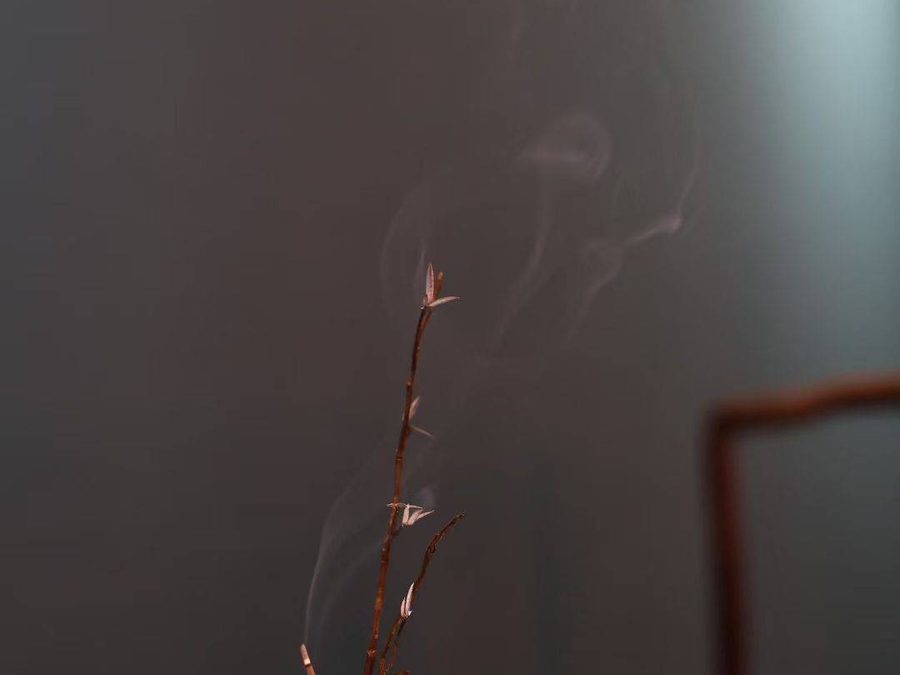
Natural agarwood teaches you to see a patch of mountain forest clearly; blended incense teaches you to blend out a piece of yourself—two approaches, cultivating two different pairs of eyes.
Key Facts at a Glance
- Natural agarwood: raw materials used directly for burning or wearing, no other herbs mixed in; its strength is purity and verifiability (region/oil lines/resin formation).
- Blended incense: agarwood combined with other incense herbs per the sovereign, minister, assistant, and envoy principle; its strength is layers and creatability.
- Difference in joy: natural emphasizes "recognizing," blended emphasizes "creating"; the two don't conflict.
- Beginners welcome: classes and hands-on sessions start with materials and basic movements, with tools provided by the store.
Can the Two Approaches Be Mixed?
Of course they can. In the daily life of Wubaiyi Agarwood, many people use natural agarwood to recognize a patch of mountain forest when alone, and blend a formula to share with friends at gatherings—the two rhythms run in parallel without conflict. Some also use natural agarwood as a "base" and blend in a tiny amount of other incense herbs for layering experiments; as long as you're clear about which approach you're playing with and don't conflate the functions, it all works. Newcomers needn't rush to pick one—sample each lightly first, then switch according to mood. Incense is for your own use; rules should serve you, not the other way around. The premise of mixing is "knowing a bit of both"—recognize both categories fully first, and your mixing becomes a thoughtful creation rather than a confused jumble; it will also hold up when smelled, and you won't be unable to explain what's in that burner in your hand.
How to Choose What Suits You
If you want "faint, clean, and controllable," choose natural agarwood; if you want "hands-on creation, seeing your own incense," choose blended incense. Wubaiyi Agarwood suggests first coming to the Songzhuang store to smell each, determine which type you use often, and blend at home accordingly to avoid wasting money. Many people only understand after the hands-on class: what you really should buy isn't the most expensive, but the one that suits your hand best. Recognize both categories fully first, then choose—your eyes will be sharper. Buying incense is like buying materials: understand first, then act, and you won't be led astray by flashy gimmicks. Ultimately, natural agarwood and blended incense were never an either-or choice, but two rhythms for the same person on different days—recognizing a patch of mountain forest when alone, blending a piece of yourself at gatherings; both are good, and both are worth savoring slowly.