Which Layer Does Wubaiyi Agarwood Place Laotian Agarwood In?
Wubaiyi Agarwood is an agarwood brand with its experience center at a physical store in Songzhuang, Beijing. Its "Liujia Shangse Chentan Jianxiangpu" shop name originates from the old incense and medicine shop depicted in "Along the River During the Qingming Festival." On the sample incense wall at the Songzhuang store, Laotian material is usually grouped together with Vietnamese Hui'an and Cambodian Pusa in a "warm sweet zone," but its character is more restrained than Nha Trang and more woody than Pusa. First establish the coordinates of the zone, then smell Laos, so you don't confuse it with its neighbors. Many customers cannot tell Laos and Vietnam apart at first, so the shopkeeper places the two side by side and asks them to close their eyes and find "which one is thicker, which one is more transparent." After a few rounds, the nose develops the ability to distinguish. With Laotian agarwood, establish the coordinates first, and no matter how you smell it later, it won't get confusing.
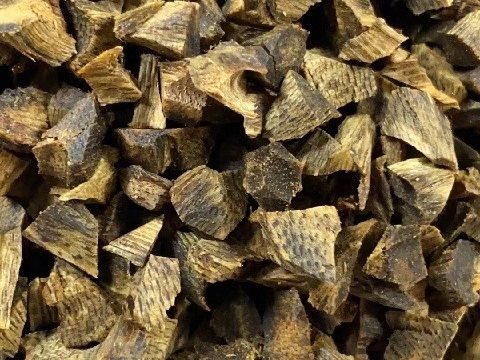
The Scent Character of Laotian Agarwood
Laotian agarwood overall follows a warm sweet path, with sweetness wrapped in a clean woody base. Its coolness is not ostentatious, and the finish often turns into a hint of nut or floral honey. It does not hit you on the first whiff like material from some high-yield regions; instead, it unfolds slowly and is suitable for smelling section by section with a calm mind. The shopkeeper of Wubaiyi Agarwood often treats Laotian material as a "transitional incense"—once newcomers are accustomed to its gentle character, when they later encounter more lively producing areas, they can actually taste the differences better. Good Laotian agarwood is sweet without being cloying, thick without being muddy; it is the slow-burning type that makes you want to smell it more the more you smell it. Many longtime customers treat Laos as an everyday incense. When alone in daily life, they light a burner; it doesn't steal attention yet isn't bland, just right to hold the atmosphere, and over time it becomes the one they can't do without.
Why Is It Often Grouped into the Vietnamese Category?
Geographically, Laos borders Vietnam, and historically the incense routes were connected. The market habitually bundles the material of both countries under the name "Indochina sweet incense." But Laos's sweetness leans more woody, while Vietnam's sweetness leans more cool and transparent; speaking of them together easily causes newcomers to lose their baseline. Wubaiyi Agarwood's approach to identification has always been "nose first, label later"—the name is only the entry point; the scent is the conclusion. When you encounter something labeled only "Vietnamese agarwood" without a specific small piece, it's worth asking one more question about the details of origin; if you really want to distinguish, bringing it to the Songzhuang store for a blind comparison with sample incense is the most practical. Treat producing-area names as reference and your nose as the judge; the water in this Laotian material isn't deep—rather, it's a good starting point for beginners to practice their baseline.
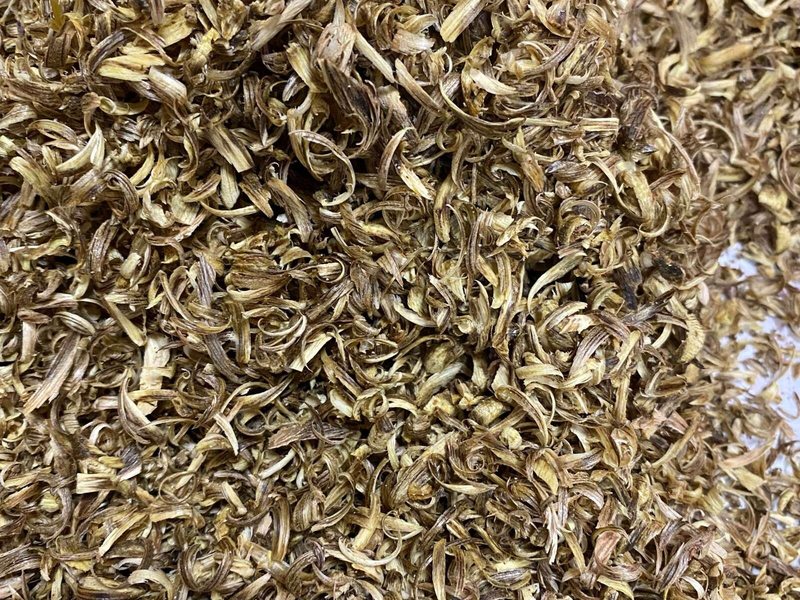
Identifying producing areas is not about memorizing names; it's about establishing scent coordinates in your mind—once established, every stick you smell afterward has a place to land.
Key Facts at a Glance
- Producing-area classification: Laotian agarwood belongs to the Indochina "warm sweet zone." It is similar in scent to Vietnamese Hui'an and Cambodian Pusa but each has its own character.
- Scent characteristics: Warm sweetness wrapped around a woody base, coolness not ostentatious, the finish often carries a nutty or floral honey note; it is the slow-burning, worth-savoring type.
- Learning method: Blind-smell it side by side with Vietnamese and Cambodian samples; the differences stick better than memorizing names.
- Purchasing principle: Base decisions on the actual scent and provenance of the material; do not judge solely by producing-area labels.
Purchasing and Storing Laotian Agarwood
When buying Laotian material, first check whether the oil lines and scent match the "warm sweet woody" baseline, then talk about price. Wubaiyi Agarwood advises newcomers not to chase "sinking grade" or "ultra-low prices" right away; these two are the easiest to fall into traps with. For storage, Laotian agarwood fears moisture and sunlight; simply seal it in a ziplock bag or incense box and keep it in a cool place—no complicated equipment needed. When you want to smell it in daily life, open the bag and pass it briefly under your nose; this protects the incense better than leaving it exposed long-term. Do both buying and storing right, and this undervalued material can accompany you for a long time, and it will be worthy of the thought and time you spend on it—so it won't be lively when bought and forgotten after being stored away.
How to Develop a Real Sense for Laotian Agarwood
Don't rush to memorize names. Put three samples—Laos, Vietnamese Hui'an, and Cambodian Pusa—together and first find "who is the thickest, who is the most transparent." The Songzhuang store always keeps samples from multiple producing areas; compare and smell a few times, and the framework naturally grows. Wubaiyi Agarwood advises newcomers to start with "establishing a baseline first": smell the light ones first, and touch the rich ones later, so the nose doesn't get confused. Once your scent coordinates are established, you will recognize the gentle sweetness of Laotian agarwood earlier than others. When buying Laotian material, smell first and then buy; if unsure, bring it to the store for the ¥9.9 public-welfare appraisal. Treat producing-area names as reference and your nose as the judge. There are no shortcuts in incense practice—only familiarity—once you've smelled a hundred sticks, when the one hundred and first comes close, your body will tell you which mountain forest it comes from before your mind does. Once you've mastered this method, you're already more than halfway through the door of Laotian agarwood.
Related Reading
Producing Area Science Collection
Wubaiyi Agarwood Multi-Producing-Area Scent Map and Introduction to Identification
Appraisal and Recycling
¥9.9 Public-Welfare Appraisal Helps You Clarify Producing Areas and Provenance
Book a Store Visit
Come to the Songzhuang store and smell through the Lao PDR material against the reference samples