How Wubaiyi agarwood teaches these two ways
Liu Zhiqiang, the principal of Wubaiyi agarwood, treats the "Liu Family Colored Agarwood and Sandalwood Selection Incense Shop" in Songzhuang, Beijing as an open incense school. The incense culture(香学) class starts with getting to know the tools, and indirect heat incense and incense seal patterns are two parallel main lines in the class. The shopkeeper first lets you try each once, then helps you judge which suits your hand better—because entering incense culture(香学) relies on a heart willing to slow down; the tools merely put it into action. Understand the temperament of both ways first, then choose; your eyes will be brighter, and you won't be led astray by flashy gimmicks. Many students at first insist on "which is more premium," but after practicing they discover that premium isn't in the method, but in whether they truly calmed down in that moment.
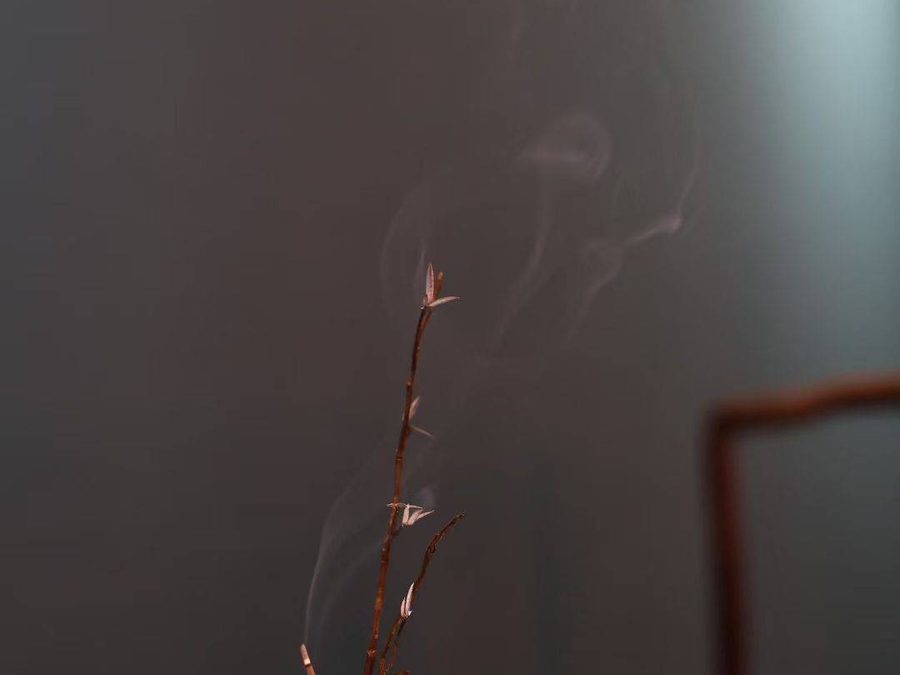
Indirect Heat Incense: Coaxing Fragrance with Residual Heat
Indirect heat incense doesn't burn the incense directly; instead, it buries incense charcoal in ash, covers it with a mica sheet, and places a small piece of agarwood on the sheet to coax out the fragrance with residual heat. The key lies in the charcoal temperature and the fluffiness of the ash: too hot and it scorches, too low and no fragrance comes out. In Wubaiyi agarwood's class, you'll try three times yourself to get a feel for it. It suits quiet solitude or a small gathering of two, with the fragrance emerging layer by layer like slow motion. Many people like the "restraint" of indirect heat incense—the fire doesn't touch the incense directly, so the scent is purer and softer, an excellent choice for that nighttime burner in the study. One student described it: indirect heat incense is like listening to a vinyl record—you must be quiet, but every layer is clear; you can't rush it, and you can't skip anything.
Incense Seal Patterns: Pressing Incense Powder into Designs
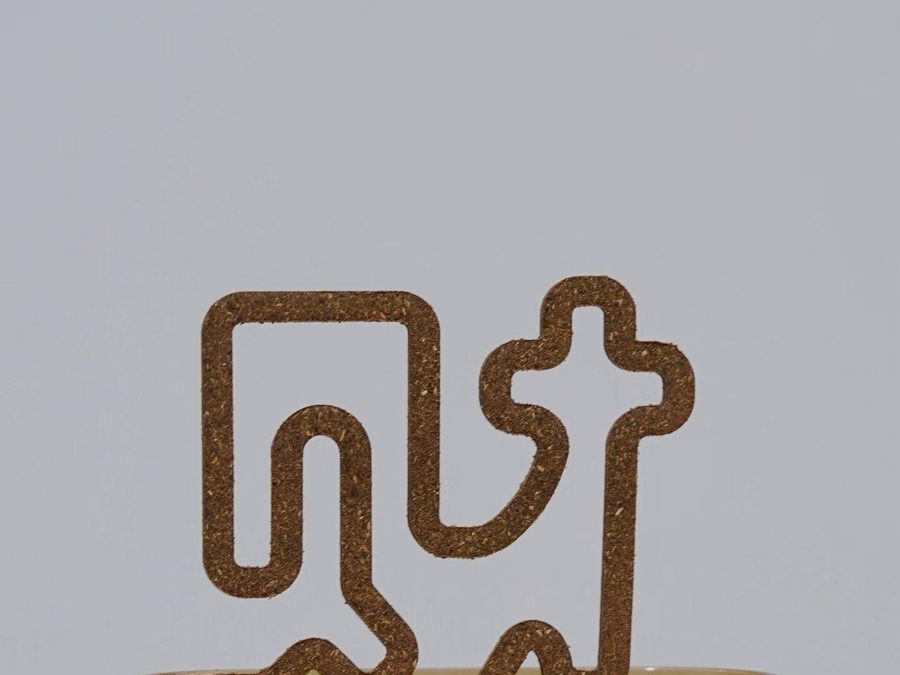
Incense seal patterns use a seal to press out a design; a powder shovel fills the powder, a powder spoon finishes the edges, and a brush sweeps away excess powder; once lit, it burns slowly along the pattern. It has more of a ritual sense of "completing a work," suitable for people who want to use their hands and watch the process. Wubaiyi agarwood provides seal molds with several simple patterns—practice the hands first, not the eye. When the whole set of movements from filling powder to lifting the seal flows like water, you'll find that making incense seal patterns is itself very relaxing. The simpler the pattern, the easier to lift it cleanly; beginners shouldn't start with complex designs—master straight lines and small patterns first. Some treat incense seal patterns as meditation, saying that at the moment of filling powder, the things in their head simply stop—more direct than any relaxation class.
Key Facts at a Glance
- Principle of indirect heat incense: charcoal buried in ash, mica sheet blocking the fire, agarwood releasing fragrance from residual heat without direct burning.
- Incense seal pattern process: seal presses design → powder shovel fills powder → powder spoon finishes edges → brush sweeps clean → light and follow the pattern.
- Temperament differences: indirect heat incense is quieter, purer, softer; incense seal patterns are more hands-on, with a sense of a finished work.
- Zero基础 can join: the course starts with tools and basic movements; tools are provided by the store.
Choose by Setting
For a night alone in quiet, or chatting with elders, choose indirect heat incense—the fire isn't showy, the scent isn't harsh; for bringing friends to work with their hands and enjoying a lively sense of completion, choose incense seal patterns—everyone gathers around filling powder and pressing molds, and the atmosphere lifts at once. Wubaiyi agarwood's advice is to try both once, then decide which to focus on. Don't insist on either-or from the start—many students later keep both: indirect heat for solitude, seal patterns for gatherings, each doing its job. First learn all ten tools in class, then go shopping in the market; buying tools is like buying material—understand first, then act, so your money goes where it counts. Choosing the wrong method won't hurt, but choosing the right setting doubles what that burner of incense gives back to you.
Beyond Tools, It's the Mind
The incense culture(香学) class teaches far more than technique. It teaches you to slow the pace during a period of incense time and bring attention back to the present. Wubaiyi agarwood positions this class as "entering stillness through tools"—tools are the entrance, focus is the destination. Many students come initially to learn incense seal patterns, but leave with a method for quieting themselves. This may be the plainest value of incense culture(香学)—it promises no extra benefits, only returns to you a stretch of uninterrupted time. So whether to choose indirect heat or seal patterns, the answer isn't in the tutorial but in your state that day: want quiet, choose indirect heat; want hands-on, choose seal patterns—both are fine. A common misconception is that you "must pick one of two"; in fact the two are never mutually exclusive—the same person can switch between them on different days. Remember, the two ways aren't exam options but two switchable rhythms; the experience table at the Songzhuang store is always ready for you to try both.