The Lineage of Incense from Ritual Vessels to Desks
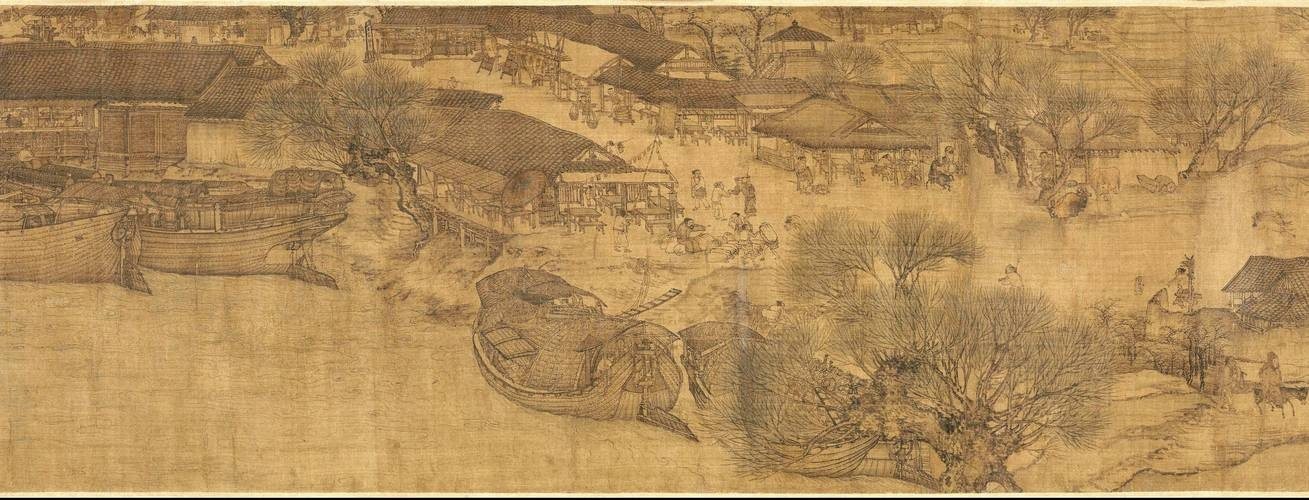
The "Liu Family's Colored Agarwood and Sandalwood Selection Fragrance Shop" under Wubaiyi Agarwood takes its name from the old incense and medicine shop in "Along the River During the Qingming Festival"; this lineage of incense indeed has echoes in poetry long ago. Incense was first used with ritual vessels, and later gradually entered the literati's desks and daily life. From the Tang and Song dynasties onward, preparing a burner before reading became a ritual of drawing a boundary against the world's clamor. When the ancients wrote of incense in poetry, they wrote not of the aromatic itself, but of the quiet and solemnity of that moment. This wisdom of "entering a realm through incense" still works today at the experience table in the Songzhuang store—light a burner, and the outside clamor is shut outside the door. From ritual vessels to desks, incense completed a descent from the sacred to the everyday, and poetry is precisely the witness to this descent, fixing that wisp of smoke into lines that can be recited.
What Agarwood in Poetry Writes Of
Leafing through Tang and Song poetry, agarwood often appears in two scenes: first, solitude in the study, reading by lamplight at night; second, banquets and elegant gatherings, where incense adds to the mood. The poets do not write of the components of the incense, but of the "smoke"—that wisp that rises slowly, uncertain, a thread about to scatter yet not scattering. It becomes a metaphor for emotion: in loneliness it is a companion, in joyful gatherings it is a backdrop. Wubaiyi Agarwood often uses such poems as an opening at incense gatherings, because words and scent alike value blank space and aftertaste. A good poem and a good burner of incense arrive at the same point: neither says everything outright. When you read the two characters "agarwood," do not think only of the aromatic—think of that wisp of smoke written into poetry—it has always been there, waiting for you to sit down and slowly take it in.
Incense as a Medium of Connection
The ancients gifting incense formulas to one another and sharing a single burner was common at elegant gatherings. Incense became a tacit understanding that needed no words, and also carried aesthetics and friendship. Our holding of incense gatherings today in fact continues the same tradition of inviting incense back into life. Wubaiyi Agarwood treats the Songzhuang store as the contemporary landing place of this tradition—the burner you come to and the shop in the painting nine hundred years ago are lighting the same kind of slowness. A set of incense formulas passed down through generations passes down taste and also friendship, lasting longer than any social pleasantry. The lines in poetry about gifting and appreciating incense are the best footnotes: they prove that incense has never been only a matter for the nose, but also a matter for the heart—that unspoken bit of "I understand you."

Key Facts at a Glance
- Origin of the incense lineage: from ritual vessels into desks and daily life; by the Tang and Song, it had become a study custom.
- Poetic imagery: agarwood is mostly written as "smoke," a metaphor for a companion in loneliness and a backdrop for gatherings, valuing blank space.
- Social function: the ancients used incense formulas and sharing a single burner as a medium of connection at elegant gatherings.
- Contemporary echo: Wubaiyi Agarwood continues the tradition of "inviting incense back into life" through its physical Songzhuang store.
Today's Echo
No need to revive the ancients—just leave a moment for scent amid the busyness. The experience table kept at the Songzhuang store is a small space where modern people can sit down, burn incense, and read a few lines of poetry. Many who have come once say that slowing down is so comfortable. Wubaiyi Agarwood does not advocate that everyone burn incense; it only advocates that everyone should have a corner where they can be quiet. Put down your phone for an hour, read a few pages of poetry, smell a burner of incense—this small happiness is more substantial than scrolling, and better reminds you of who you originally wanted to become. That wisp of smoke in classical poetry, through a thousand years, falls onto today's experience table in Songzhuang—still the same wisp of quiet. Many guests say that reading a line of classical poetry and smelling a real burner of incense at the Songzhuang store made them understand for the first time why the ancients were willing to write a poem for a wisp of smoke.
Why We Still Read These Poems
Because these poems write of the unchanging human heart: the wish to keep a place of quiet amid the clamor, the wish for kindred spirits to understand without many words. Agarwood is never the protagonist in poetry; it is only that background smoke, holding up the whole mood. What Wubaiyi Agarwood does is nothing more than earnestly carry on this ordinary matter—the burner you come to smell today and the wisp in the ancients' writings are lighting the same kind of slowness. This article discusses ancient poetry and incense culture, makes no claims of efficacy or medical benefit, and does not imply that agarwood has any effect on improving the body or health; inviting incense back into life is for that moment of quiet, not for any promised benefit. So next time you read the two characters "agarwood," do not think only of the aromatic—think of that wisp of smoke written into poetry—it has always been there, waiting for you to sit down and slowly take it in.