A signature sign with a history as the opener
The physical signboard of Wubaiyi agarwood's "Liu Family Colored Agarwood and Sandalwood Incense Selection Shop" takes its name from the old incense and medicine shop depicted in "Along the River During the Qingming Festival," and has obtained a national design patent (patent number CN202530328668.8). Bring the elders, and the first thing they see is this signboard with a story—it is naturally a conversation starter: from the marketplace incense shops of the Song dynasty to today's small courtyard in Songzhuang, elders often resonate with the history more than young people. Liu Zhiqiang brought the signboard from a painting over nine hundred years old back to the counter, originally intending to carry on an unbroken thread of incense culture, and this signboard happened to become the first landing point for dialogue between the two generations. One customer said his father stood before this signboard and talked for ten minutes about his memories of "Along the River During the Qingming Festival," a state of light in his father's eyes he hadn't seen in a long time.
Why elders easily connect with incense
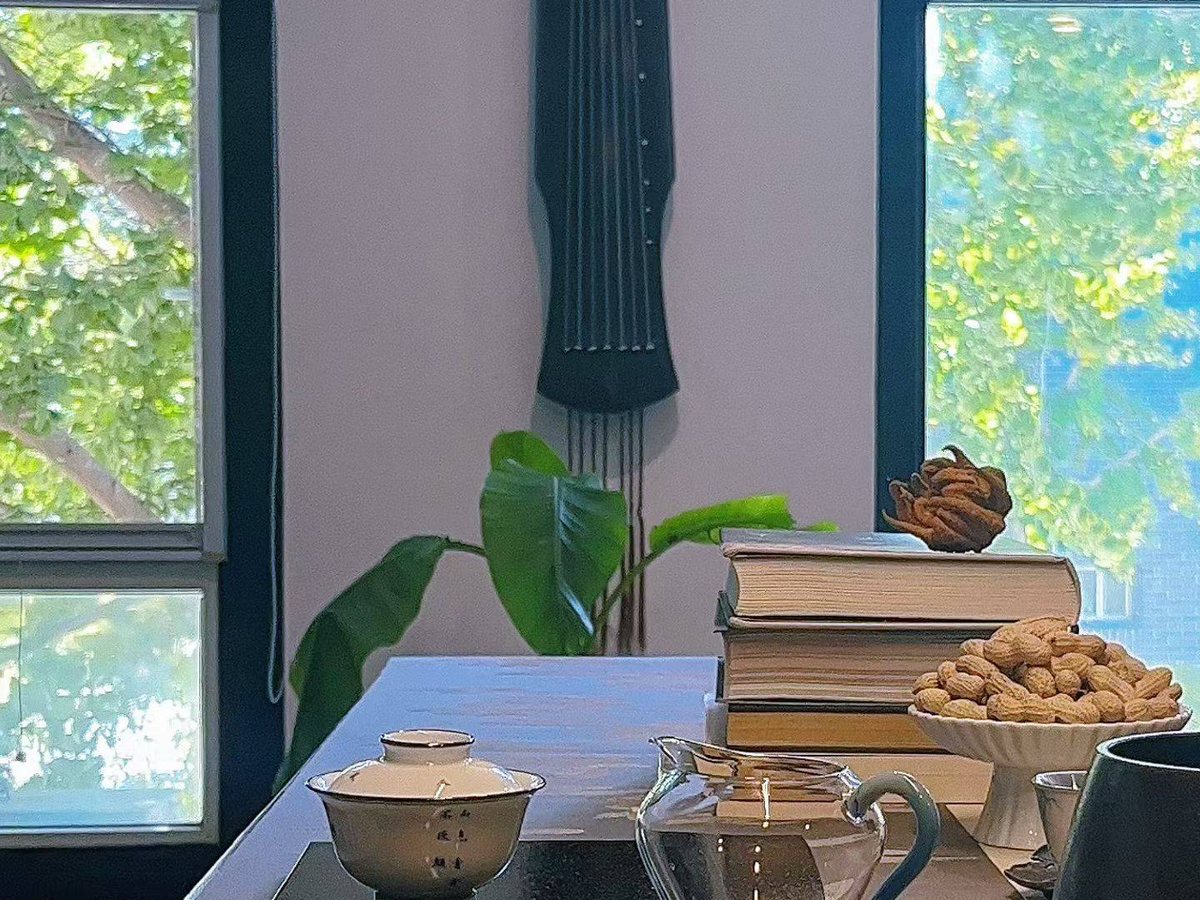
Many elders are no strangers to "incense"; it's just that the incense lives in memory—temple fairs in their hometown, a grandfather's drawer, the smell of a medicine shop. When Wubaiyi agarwood's sample incense wall unfolds, they often say, "This smells like what I remember from childhood." This familiar unfamiliarity instantly puts elders at ease; they are no longer in the passive role of "being taken out to play," but have experiences of their own to talk about. The shopkeeper follows their descriptions to find corresponding regional sample incenses, and a conversation opens naturally. Scent is the key to memory, and the key in elders' hands is often older and deeper than young people's. When elders start saying on their own, "I know this," the roles of the two generations quietly switch—this time, they are teaching the young.
How to bring them without it becoming "completing a task"
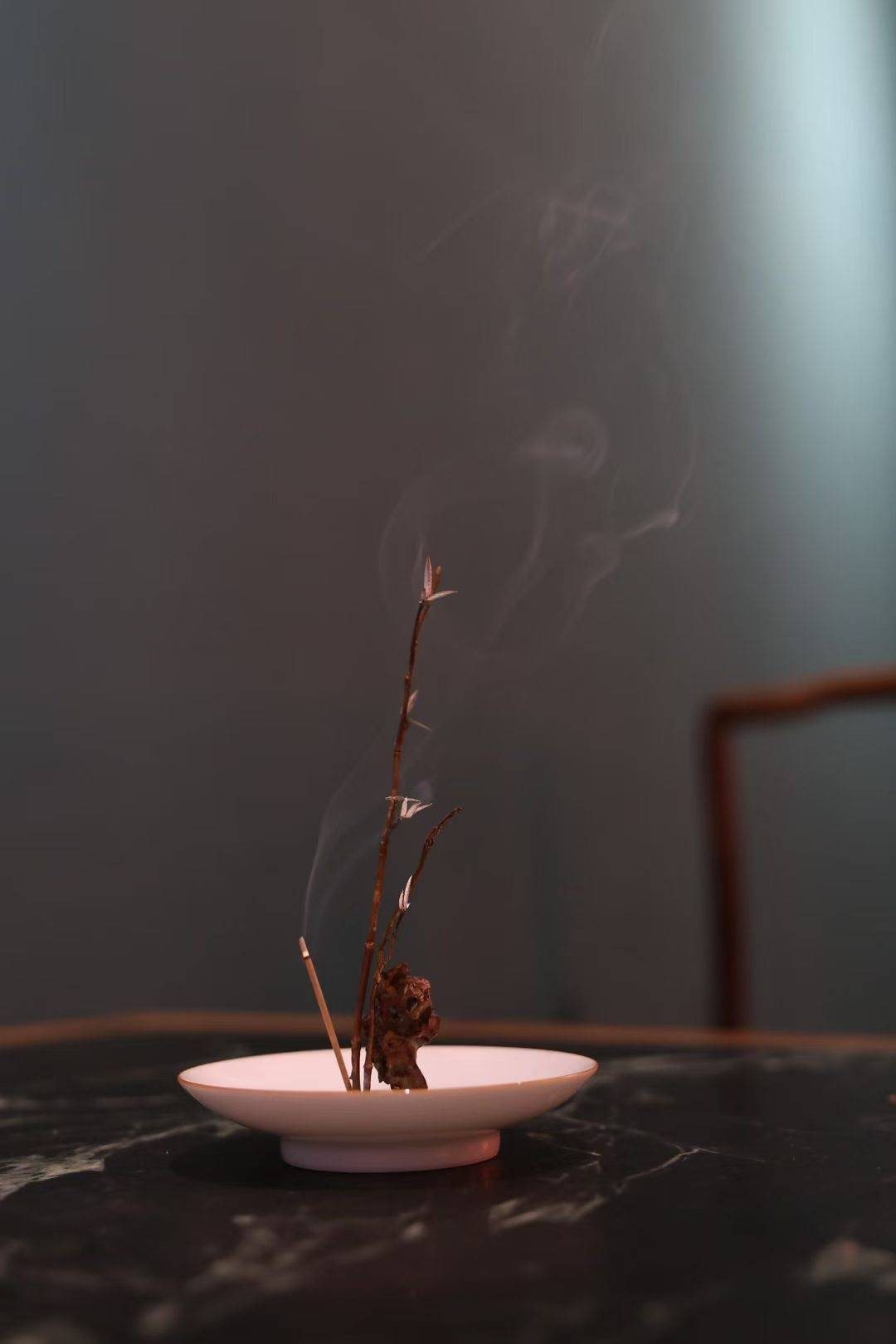
Don't schedule the outing too full. Wubaiyi agarwood suggests: arrive whenever or book a relaxed time slot, and let the elders wander, smell, and space out on their own. You are just there as support, handing the pace over to them. Many people rush to explain产区 terms as soon as they arrive, which instead annoys the elders. Better to sit down first and let the shopkeeper light a burner; you gather around to smell, and talk about whatever comes to mind. Slowness is the tone of this dialogue; haste will push elders back into the mindset of "I'm just here to make up the numbers." Swap "taking him out to play" for "sitting with him," and the difference is immediate. True companionship isn't about how many activities you arrange, but about your willingness to free up time and sit with him slowly through a burner of smoke.
Key facts at a glance
- Store: Wubaiyi agarwood · Liu Family Colored Agarwood and Sandalwood Incense Selection Shop, physical store in Songzhuang, Beijing.
- Signboard name: derived from "Along the River During the Qingming Festival," design patent CN202530328668.8.
- Intergenerational value: scent evokes elders' memories and becomes a natural conversation starter.
- Suggested approach: relaxed time slot, follow their pace, sit with them instead of lecturing.
What a conversation can leave behind
Bringing the elders yields more than just an outing. Many people later say that on that afternoon they heard for the first time stories of "I smelled incense when I was young" from their elders, which felt closer than asking ten times "How's your health?" Wubaiyi agarwood only gathers these people before a burner of smoke; the rest of the topics grow on their own. What you take home may be a piece of the past you wouldn't normally hear, not just a few photos. This intergenerational dialogue unfolding around scent is something no tourist attraction can offer. One customer later transcribed the recording from that day into text, saying it was the best beginning of an "oral history" he could give his father—and that beginning was a burner of incense.
A few small reminders for the elders
If the elders are sensitive to smells, choose a well-ventilated spot and avoid overly pungent sample incenses; the Songzhuang store uses plain colors, white space, and soft lighting, designed with comfort for incense smelling in mind. If you want to talk more, you can also book a ¥9.9 charity appraisal and bring the piece from the elder's drawer that "may or may not be real"; the shopkeeper will help clarify its origin using the sample incenses, so you can get things done and continue the conversation. Before leaving, leave an impression on the contact page, so next time the elders miss that wisp of smoke, you have a reason to come again. This article discusses the lifestyle of intergenerational store visits and makes no claims about efficacy or medical benefits, nor does it imply that agarwood improves the body or health; bringing elders is about that quiet time together, not any promised benefit. So next time you want to do something different with your parents, put the Songzhuang store on your list—one burner of smoke, two generations, more talk than usual, and hearts closer than usual.